How It Works, Benefits, and Who It’s For
Gastric Sleeve Surgery (Sleeve Gastrectomy) is one of the most commonly performed weight loss surgeries worldwide — not because it’s trendy, but because it delivers effective, sustainable results with a simpler anatomical approach.
This procedure supports weight loss by changing how much you eat and how your body regulates hunger.
⸻
What Is Gastric Sleeve Surgery?
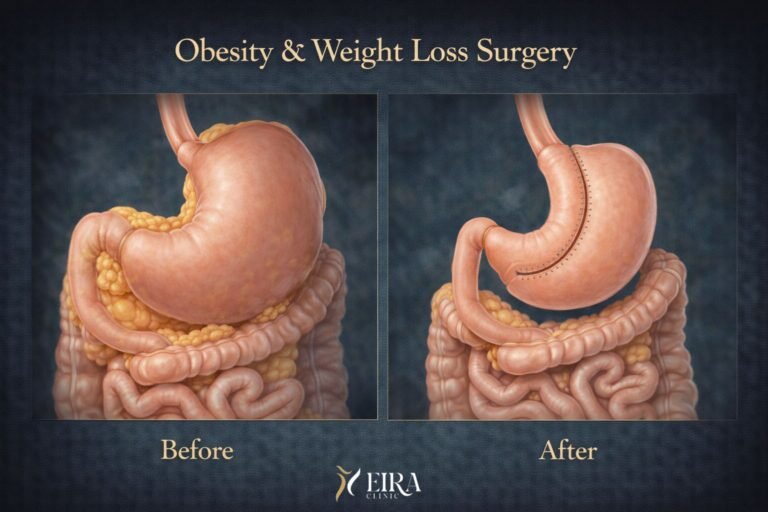
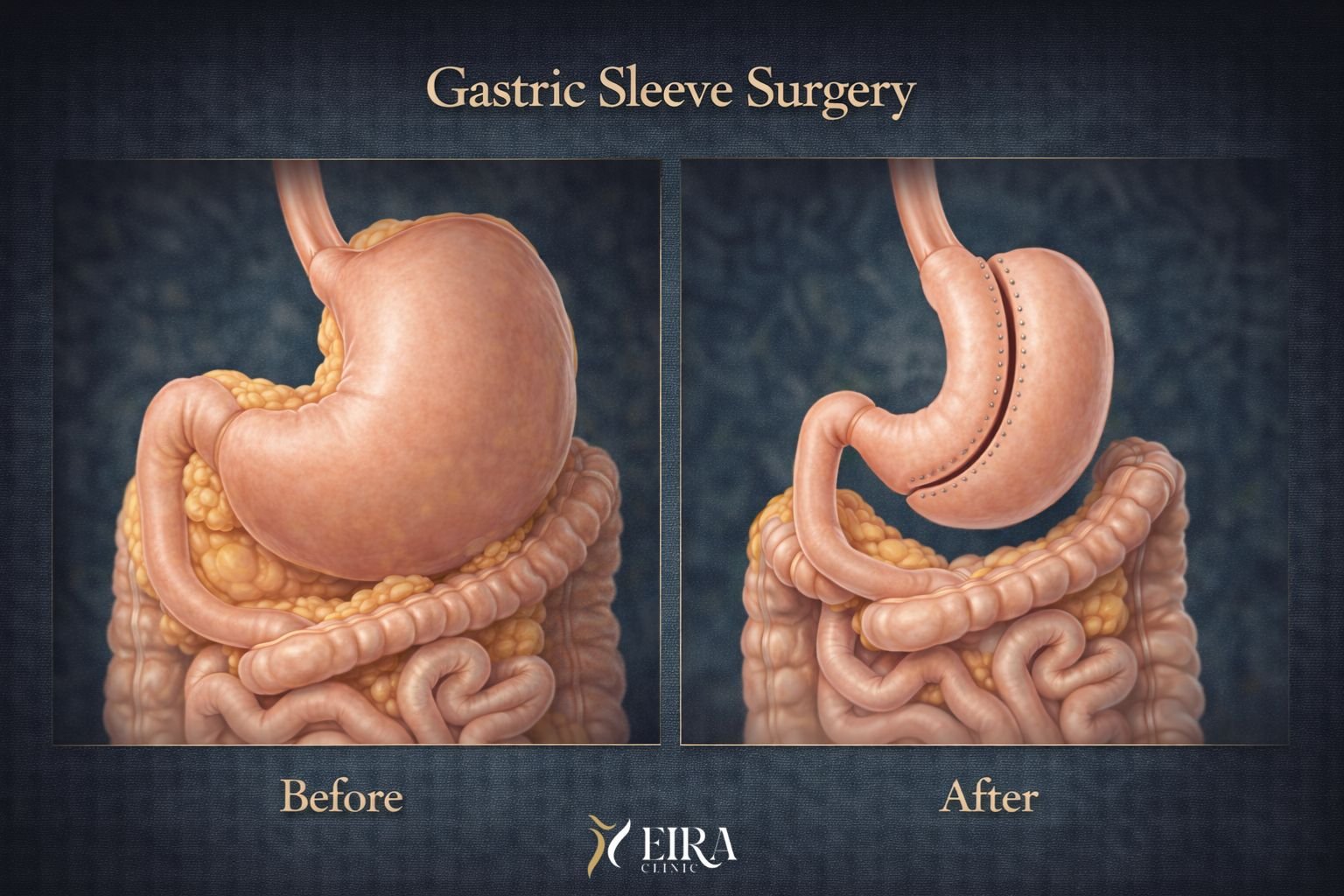
Gastric sleeve surgery involves:
- Removing approximately 70–80% of the stomach
- Creating a smaller, tube-shaped stomach
- Preserving normal digestion pathways (no intestinal bypass)
The result is:
- Reduced food capacity
- Earlier feeling of fullness
- Decreased hunger hormone (ghrelin) production
⸻
How Gastric Sleeve Promotes Weight Loss
Weight loss happens through two main mechanisms:
1️⃣ Restriction
A smaller stomach means:
- Smaller meal portions
- Faster satiety
- Better portion control
⸻
2️⃣ Hormonal Regulation
The removed part of the stomach produces ghrelin, the hunger hormone.
After surgery:
- Appetite is significantly reduced
- Cravings often decrease
- Eating behavior becomes easier to manage
⸻
Benefits of Gastric Sleeve Surgery
✔ Significant and sustained weight loss
✔ Improvement in type 2 diabetes
✔ Reduction in high blood pressure
✔ Relief from joint pain
✔ Improved mobility and energy
✔ Better sleep and breathing
Health improvement is often seen before major weight loss occurs.
⸻
Who Is a Good Candidate?
Gastric sleeve surgery may be suitable for patients who:
- Have a high BMI
- Struggle with long-term weight control
- Have obesity-related health conditions
- Prefer a procedure without intestinal bypass
- Are committed to lifestyle change and follow-up
A full medical evaluation determines eligibility.
⸻
Gastric Sleeve vs Other Weight Loss Surgeries
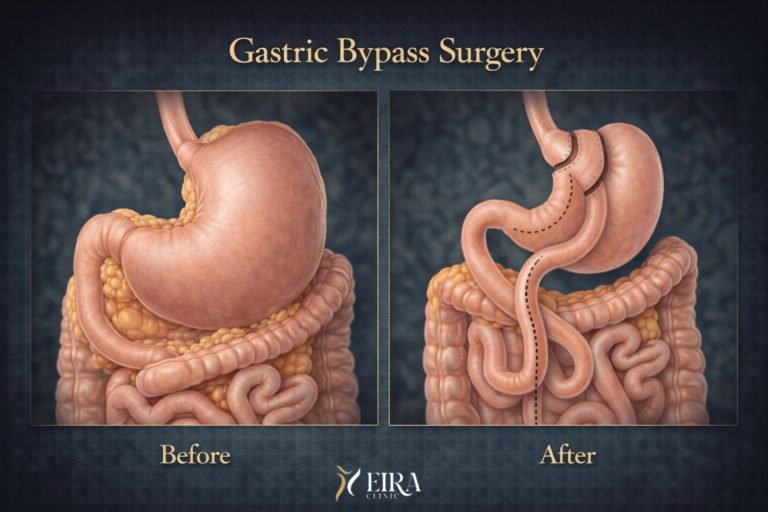
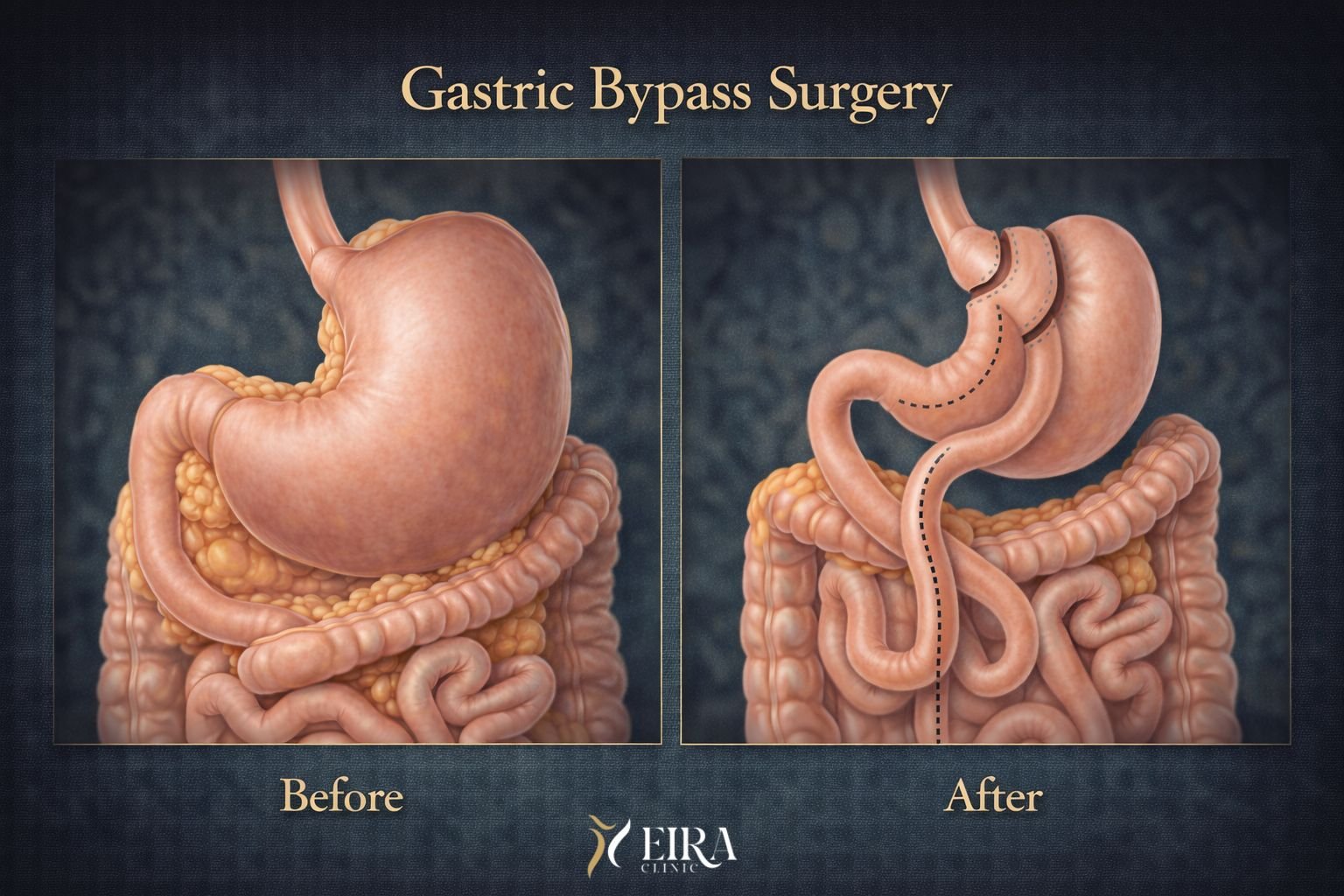
Compared to Gastric Bypass:
- No intestinal rerouting
- Lower risk of malabsorption
- Simpler anatomy
Compared to Non-Surgical Methods:
- More effective for severe obesity
- Long-term metabolic impact
- Requires medical commitment
Each option has its place — sleeve is often a first-line surgical choice.
⸻
The Procedure: What to Expect
- Performed laparoscopically (minimally invasive)
- Small incisions
- Hospital stay usually short
- Structured recovery and diet progression
The operation itself typically takes 1–2 hours.
⸻
Recovery and Weight Loss Timeline
Typical timeline:
- First weeks: healing + liquid/soft diet
- First 3 months: rapid weight loss
- 6–12 months: continued steady loss
- Long-term: stabilization with lifestyle support
Success depends on adherence to dietary and medical guidance.
⸻
Life After Gastric Sleeve Surgery
Post-surgery life includes:
- Smaller, balanced meals
- Focus on protein intake
- Vitamin supplementation
- Regular follow-up visits
- Physical activity integration
Surgery is a powerful tool, but habits determine longevity.
⸻
Risks and Honest Considerations
As with any surgery, there are risks:
- Surgical complications (rare with proper care)
- Nutritional deficiencies (manageable)
- Weight regain if lifestyle is ignored
Transparent education reduces risk and improves outcomes.
⸻
Frequently Asked Questions (FAQ)
Is gastric sleeve reversible?
No — it is considered permanent.
Will I feel hungry all the time?
Most patients experience reduced appetite, especially early on.
Can weight return?
Yes — without lifestyle commitment. Follow-up is essential.
⸻
Final Thoughts
Gastric sleeve surgery is not about extreme restriction —
it’s about creating a physiological advantage for sustainable health.
When combined with guidance and commitment, it can:
- Transform health
- Restore mobility
- Improve quality of life