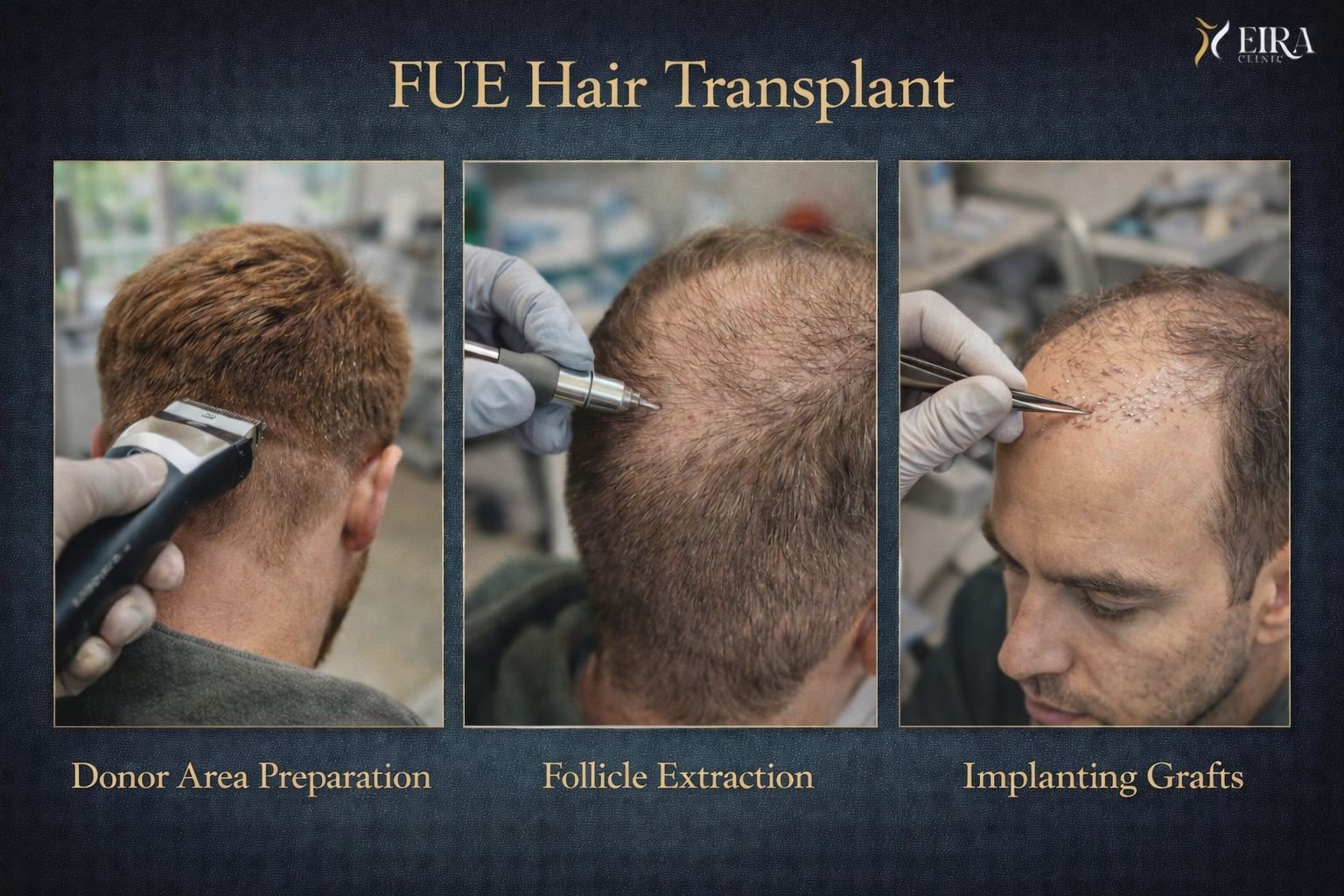
Technique, Benefits, and Who It’s Best For
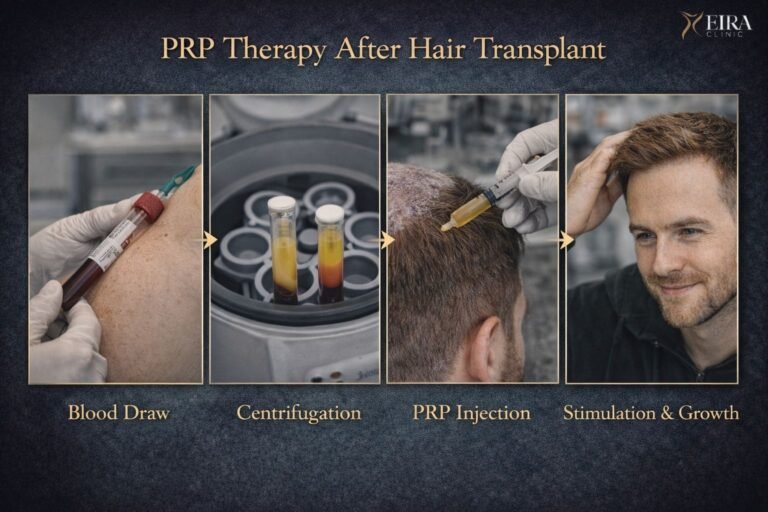
FUE (Follicular Unit Extraction) is one of the most advanced and widely used hair transplant techniques in the world today.
Its popularity is not because it’s trendy —
but because it delivers natural results with minimal trauma and faster recovery when performed correctly.
⸻
What Is FUE Hair Transplant?
FUE is a hair transplant technique where individual hair follicles are extracted one by one from the donor area and implanted into thinning or bald areas.
Key characteristics:
- No linear scar
- Precise follicle extraction
- Natural hair growth direction
- Minimal invasiveness
Each follicle is handled separately, allowing greater control over the final result.
⸻
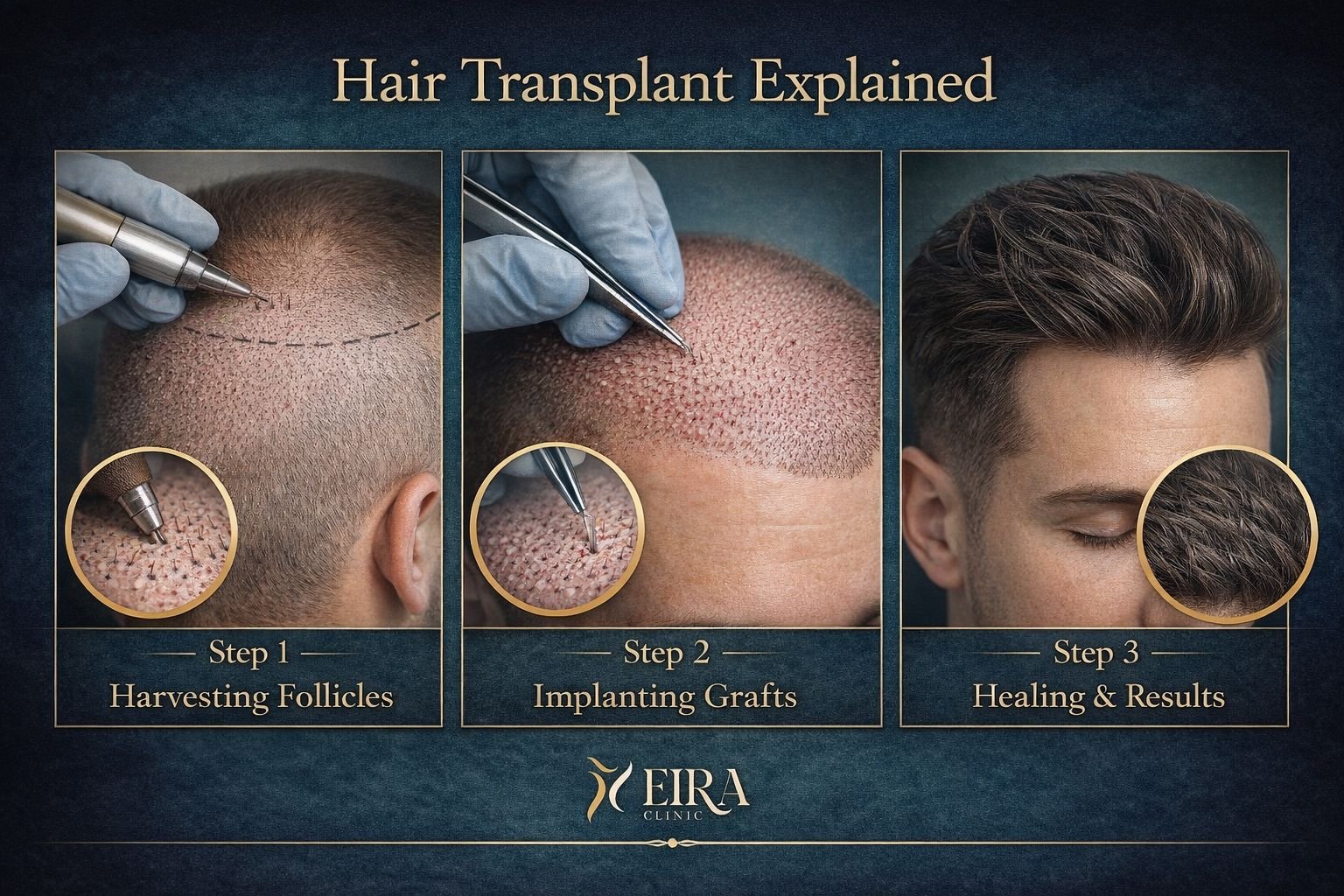
How the FUE Procedure Works
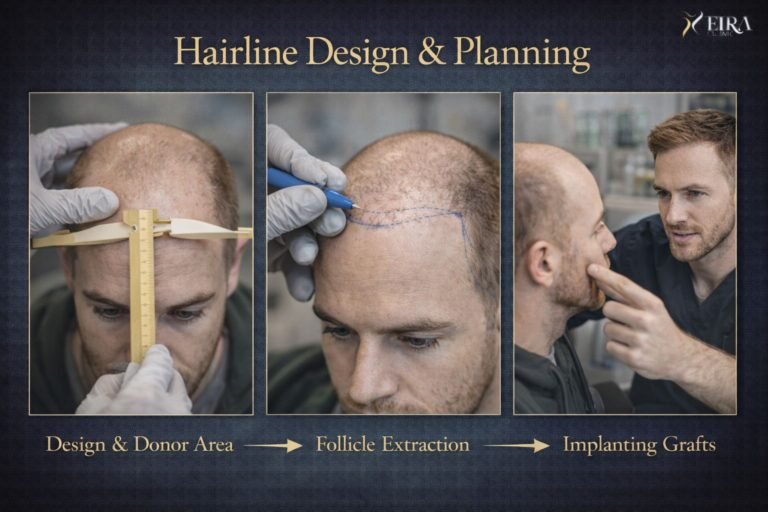
Step 1️⃣ Donor Area Assessment
The donor area (usually the back of the scalp) is evaluated for:
- Hair density
- Follicle strength
- Long-term stability
This step determines how many grafts can be safely harvested.
⸻
Step 2️⃣ Follicle Extraction
Using micro-punch tools:
- Individual follicular units are carefully extracted
- Surrounding tissue is preserved
- Trauma to follicles is minimized
Precision here directly affects graft survival.
⸻
Step 3️⃣ Recipient Area Preparation
Tiny channels are created in the recipient area, considering:
- Hairline design
- Natural angles and direction
- Density distribution
This step defines how natural the final result will look.
⸻
Step 4️⃣ Follicle Implantation
Extracted follicles are implanted one by one into the prepared channels.
Correct depth, angle, and placement are critical for:
- Natural appearance
- Long-term growth
- Proper density
⸻
Key Benefits of FUE Hair Transplant
✔ No visible linear scar
✔ Faster healing compared to older techniques
✔ Natural-looking results
✔ Flexible hair styling options
✔ Suitable for most hair loss patterns
FUE offers a balance between effectiveness and comfort.
⸻
Who Is an Ideal Candidate for FUE?
FUE is suitable for patients who:
- Have sufficient donor hair density
- Prefer short hairstyles
- Want minimal scarring
- Have mild to advanced hair loss
- Seek natural, refined results
A professional evaluation ensures realistic expectations.
⸻
FUE vs Older Hair Transplant Methods
Compared to traditional strip methods:
- FUE is less invasive
- Healing is quicker
- Scarring is minimal
- Patient comfort is higher
This is why FUE has become the global standard.
⸻
Recovery and Healing After FUE
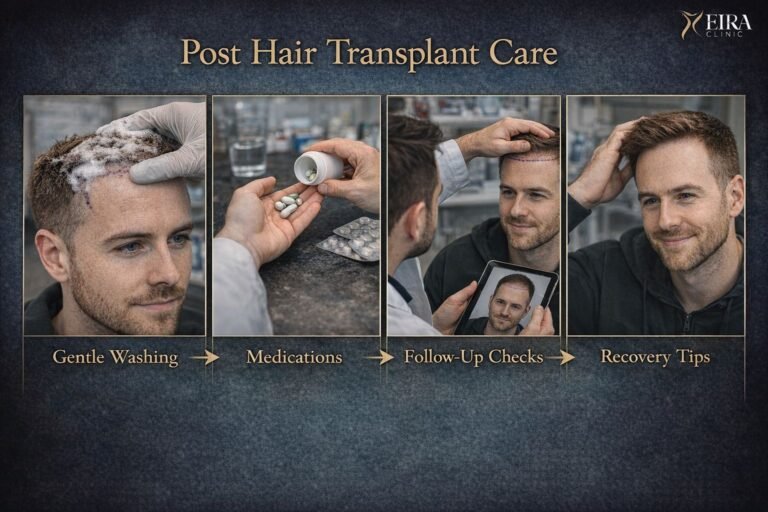
Typical recovery timeline:
- First days: mild redness and scabbing
- 7–10 days: scabs fall off naturally
- 2–4 weeks: temporary shedding phase
- 3–4 months: new growth begins
Following post-op instructions is essential for optimal results.
⸻
Natural Results Depend on Technique — Not Just Tools
Even with FUE:
- Poor angle placement looks unnatural
- Overharvesting damages donor areas
- Bad hairline design ruins aesthetics
Technique quality and team experience matter more than the name “FUE”.
⸻
Frequently Asked Questions (FAQ)
Does FUE hurt?
Discomfort is minimal and controlled with local anesthesia.
Will donor hair grow back?
Extracted follicles do not grow back, which is why planning is critical.
Is FUE permanent?
Yes. Transplanted follicles are resistant to hair loss.
⸻
Final Thoughts
FUE hair transplant is a powerful, modern solution —
but its success depends entirely on planning, precision, and expertise.
When done correctly, FUE delivers:
- Natural hairlines
- Long-term density
- High patient satisfaction