When Is It the Better Option for Weight Loss and Metabolic Health?
Gastric Bypass Surgery (Roux-en-Y) is one of the most established and effective bariatric procedures, especially for patients with severe obesity or complex metabolic conditions.
This surgery is not chosen lightly —
it is selected when medical benefit clearly outweighs other options.
⸻
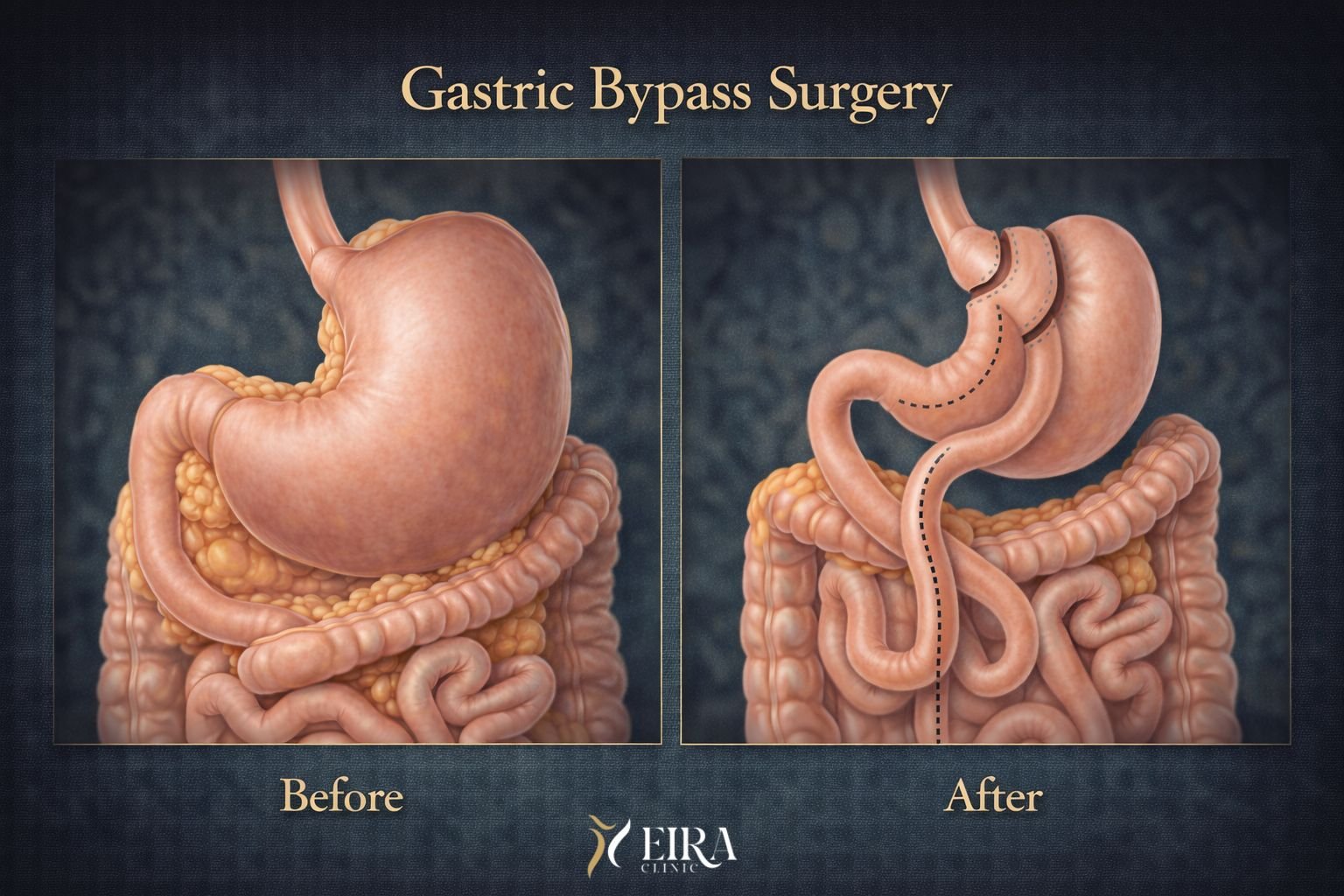
What Is Gastric Bypass Surgery?
Gastric bypass involves two key changes:
- Creating a small stomach pouch
- Rerouting part of the small intestine
This leads to:
- Reduced food intake
- Altered digestion
- Significant hormonal changes affecting appetite and blood sugar
It combines restriction + metabolic impact.
⸻
How Gastric Bypass Promotes Weight Loss
Weight loss occurs through:
1️⃣ Restriction
The smaller stomach pouch limits meal size and promotes early fullness.
⸻
2️⃣ Malabsorption (Controlled)
By bypassing part of the intestine:
- Fewer calories are absorbed
- Blood sugar regulation improves
This is why bypass is often effective for diabetes control.
⸻
Gastric Bypass and Type 2 Diabetes
Gastric bypass is particularly powerful for:
- Patients with type 2 diabetes
- Insulin resistance
- Metabolic syndrome
Many patients experience rapid improvement in blood sugar levels, sometimes before major weight loss occurs.
⸻
Who Is a Good Candidate for Gastric Bypass?
Gastric bypass may be recommended if you:
- Have severe obesity
- Have type 2 diabetes or metabolic disease
- Did not achieve adequate results with other methods
- Need stronger metabolic effect than gastric sleeve
- Are committed to lifelong follow-up
Proper evaluation is essential before choosing this option.
⸻
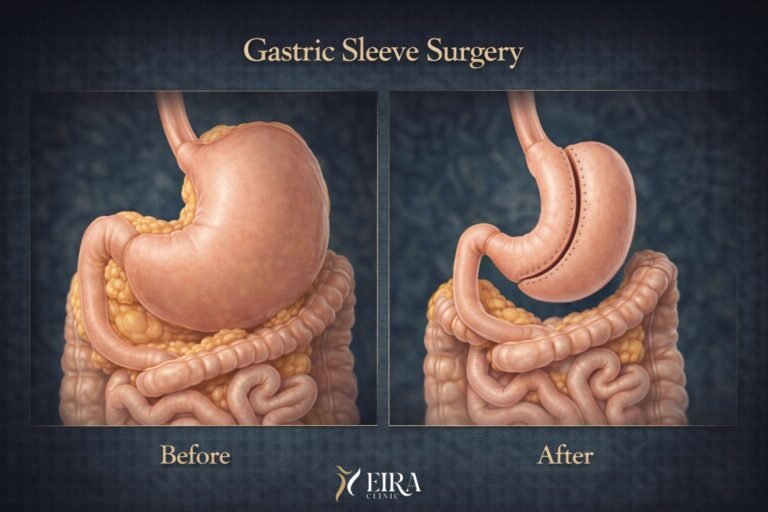
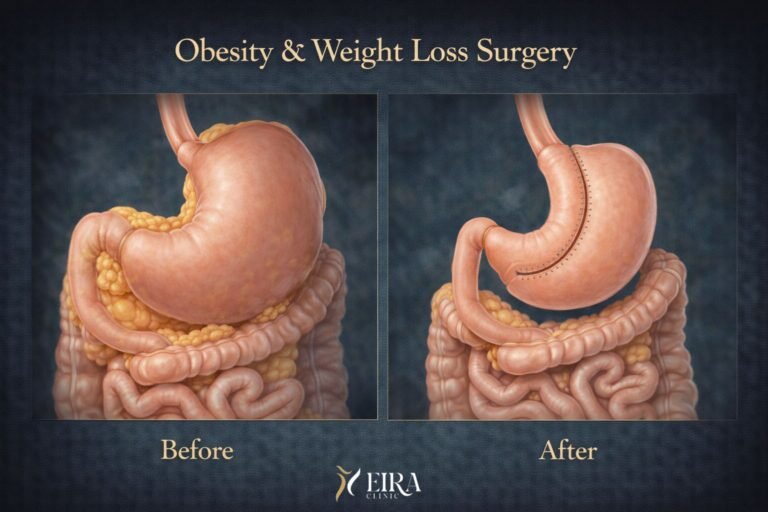
Gastric Bypass vs Gastric Sleeve
Gastric Sleeve
- Simpler anatomy
- No intestinal bypass
- Lower malabsorption risk
Gastric Bypass
- Stronger metabolic impact
- Better diabetes control in selected cases
- Requires closer nutritional follow-up
The choice depends on medical needs, not preference alone.
⸻
The Procedure and Hospital Stay
- Performed laparoscopically
- Typically takes 2–3 hours
- Short hospital stay
- Structured post-op diet and follow-up
Advanced surgical teams minimize risk and support recovery.
⸻
Life After Gastric Bypass
Post-surgery life includes:
- Smaller, frequent meals
- Strict nutritional supplementation
- Regular blood tests
- Lifestyle and habit changes
Commitment is key to long-term success.
⸻
Risks and Considerations
As a more complex procedure, risks may include:
- Nutritional deficiencies
- Dumping syndrome
- Need for lifelong supplementation
With proper follow-up, these risks are manageable and monitored.
⸻
Frequently Asked Questions (FAQ)
Is gastric bypass reversible?
Technically complex to reverse — considered permanent.
Will I lose more weight than sleeve surgery?
Often yes, especially in metabolic cases.
Do I need vitamins forever?
Yes — lifelong supplementation is essential.
⸻
Final Thoughts
Gastric bypass is a powerful medical tool —
not for everyone, but life-changing for the right patient.
When chosen responsibly, it delivers:
- Significant weight loss
- Improved metabolic health
- Reduced obesity-related complications