A Medical Solution for Hair Loss — Not a Cosmetic Shortcut
Hair loss is not just an aesthetic concern.
For many people, it affects confidence, self-image, and quality of life.
Modern hair transplant surgery is not about “adding hair” —
it’s about redistributing healthy follicles scientifically to achieve natural, permanent results.
This article is the pillar foundation لقسم زراعة الشعر بالموقع.
⸻
What Is Hair Transplant Surgery?
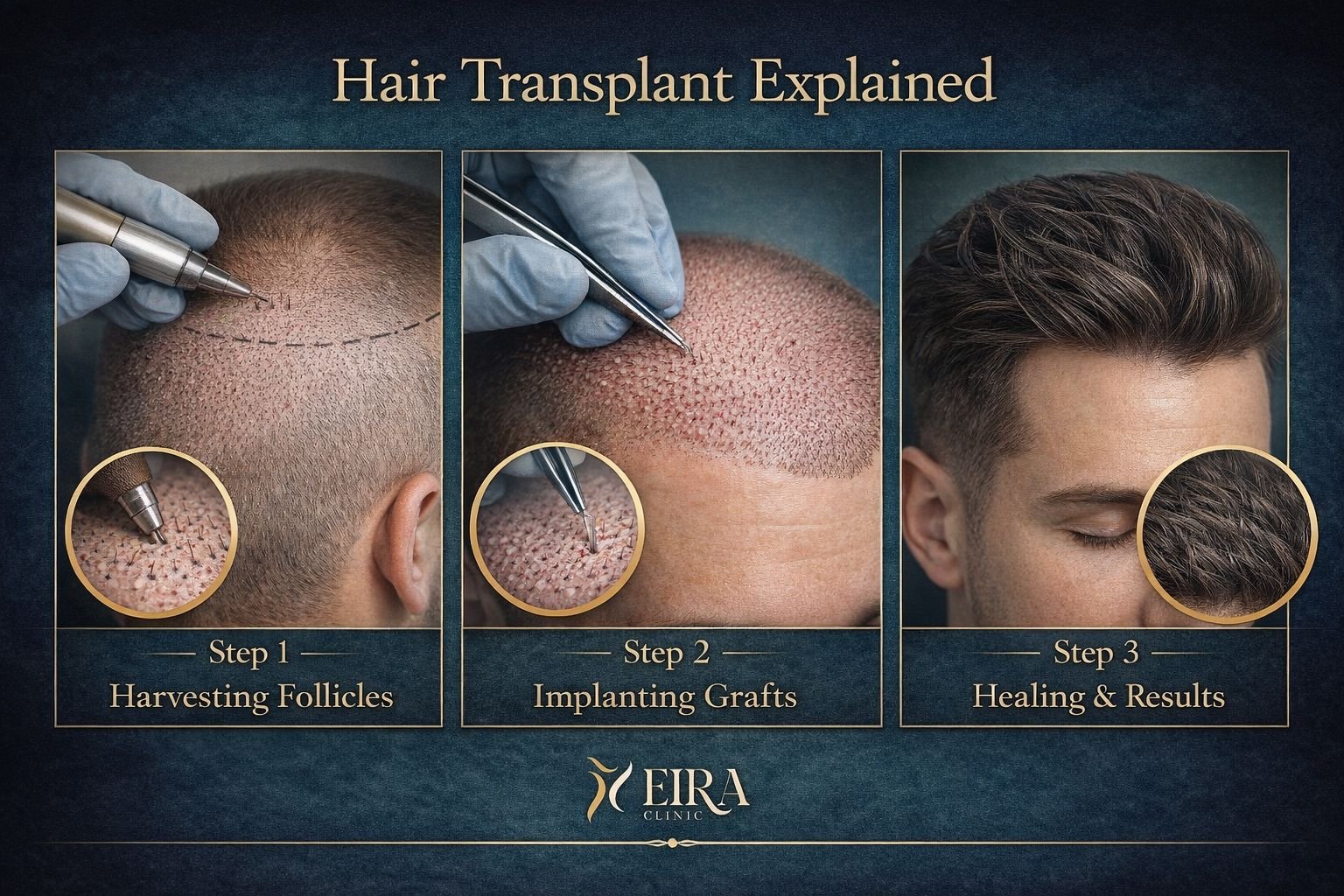
Hair transplant surgery is a medical procedure where healthy hair follicles are taken from a donor area (usually the back or sides of the scalp) and implanted into areas affected by hair loss.
Key principle:
Hair follicles taken from the donor area are genetically resistant to hair loss.
That’s why results are permanent when done correctly.
⸻
Why Hair Loss Happens
Hair loss can occur due to:
- Genetics (androgenetic alopecia)
- Hormonal factors
- Stress and lifestyle
- Medical conditions
- Aging
Understanding the cause and pattern of hair loss is essential before treatment.
⸻
Hair Transplant Is Not for Everyone — And That’s a Good Thing
Not every patient is an immediate candidate.
Proper evaluation considers:
- Donor hair quality and density
- Extent of hair loss
- Hairline expectations
- Age and future hair loss progression
- Overall scalp health
Ethical clinics do not transplant everyone — they plan long-term.
⸻
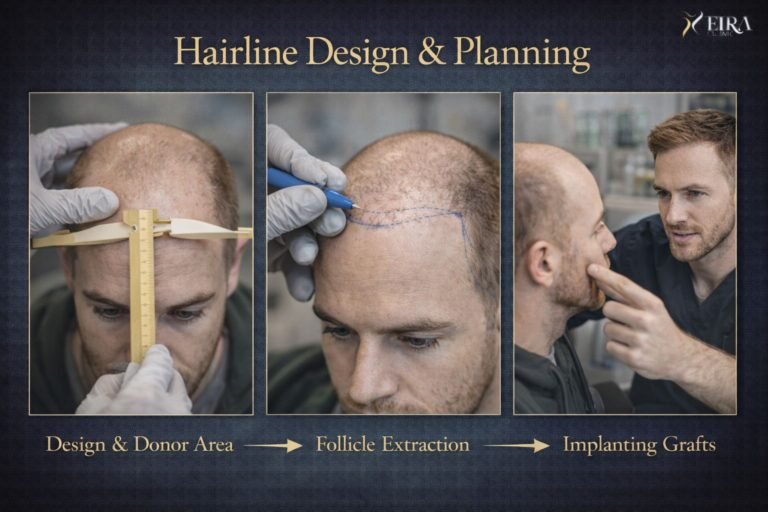
The Importance of Hairline Design
Hairline design is the difference between:
- A natural, age-appropriate result
- And an artificial, “plugged” appearance
A professional hairline design considers:
- Facial proportions
- Age
- Ethnicity
- Natural recession patterns
- Density distribution
Good hair transplants are not noticed — bad ones are.
⸻
How Modern Hair Transplant Techniques Work
Modern techniques focus on:
- Individual follicular units
- Precise implantation angles
- Controlled density
- Minimal trauma to follicles
This improves:
- Survival rate
- Natural growth direction
- Long-term appearance
⸻
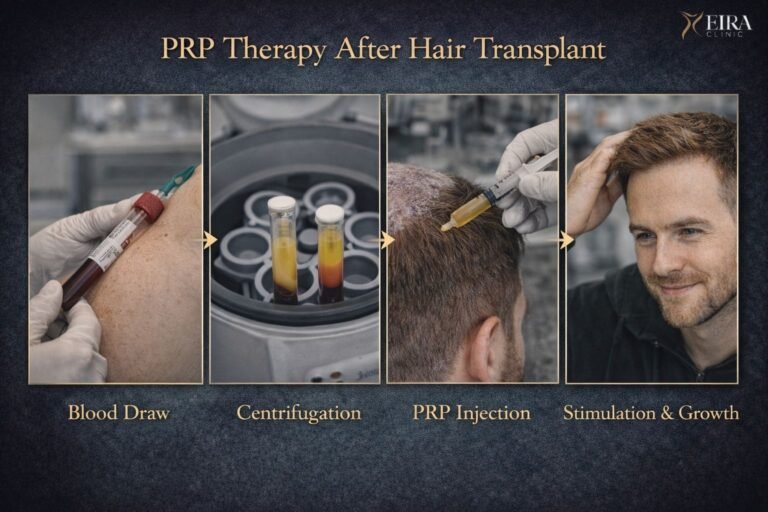
Healing and Hair Growth Timeline
Hair transplant results are not instant.
Typical timeline:
- First weeks: healing and shedding phase
- 3–4 months: early regrowth begins
- 6 months: visible improvement
- 9–12 months: final results
Patience is part of success.
⸻
Why Experience Matters More Than Technique Names
Technique alone does not guarantee results.
Success depends on:
- Surgical precision
- Team experience
- Proper graft handling
- Implantation strategy
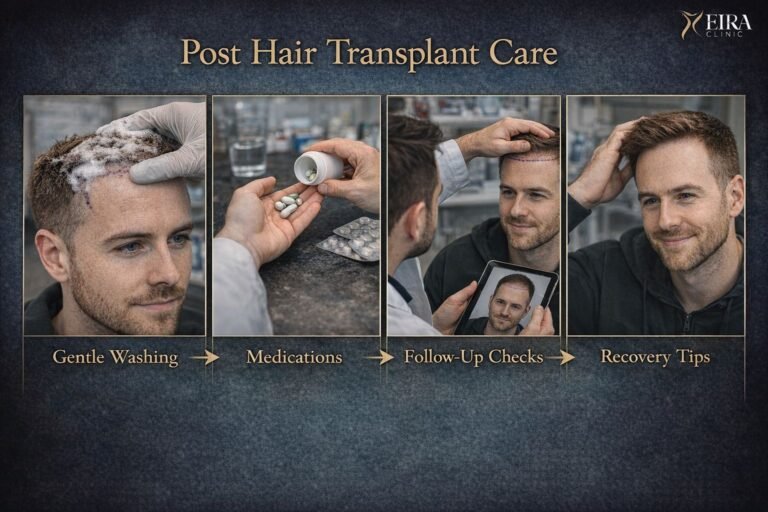
- Post-operative care
A skilled team matters more than marketing terms.
⸻
Hair Transplant vs Temporary Solutions
Temporary solutions
- Medications
- Concealers
- Fibers
Hair transplant
- Permanent solution
- Uses your own hair
- Natural look and feel
- Long-term confidence
Hair transplant addresses the root cause, not the symptoms.
⸻
Frequently Asked Questions (FAQ)
Is hair transplant surgery painful?
Discomfort is minimal and well controlled with anesthesia.
Will transplanted hair fall out?
Shedding is normal early on. Permanent growth follows.
Does transplanted hair need special care forever?
No. It behaves like natural hair once fully grown.
⸻
Final Thoughts
Hair transplant surgery is a medical art —
it blends science, planning, and aesthetics.
When done correctly, it restores:
- Hair
- Confidence
- Natural appearance
- Long-term satisfaction