
Why Surgery Alone Is Not Enough for Lasting Results
Weight loss surgery can change lives —
but surgery alone does not guarantee success.
The real difference between short-term weight loss and long-term health transformation lies in proper consultation, education, and continuous medical follow-up.
This is where sustainable results are built.
⸻
Why Consultation Comes Before Surgery
An obesity consultation is not a formality.
It is a medical decision-making process.
During consultation, the medical team evaluates:
- Body Mass Index (BMI)
- Obesity-related health conditions
- Eating behaviors and habits
- Previous weight-loss attempts
- Psychological readiness
- Lifestyle and support system
The goal is not to “sell” surgery —
it is to choose the safest and most effective path.
⸻
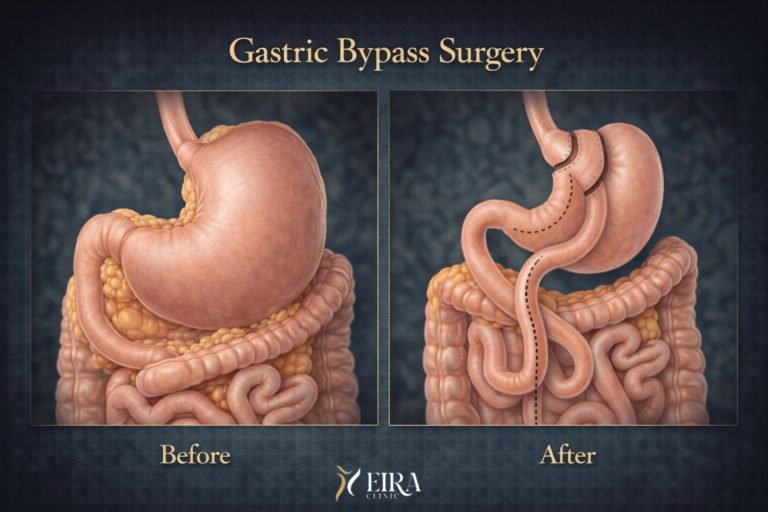
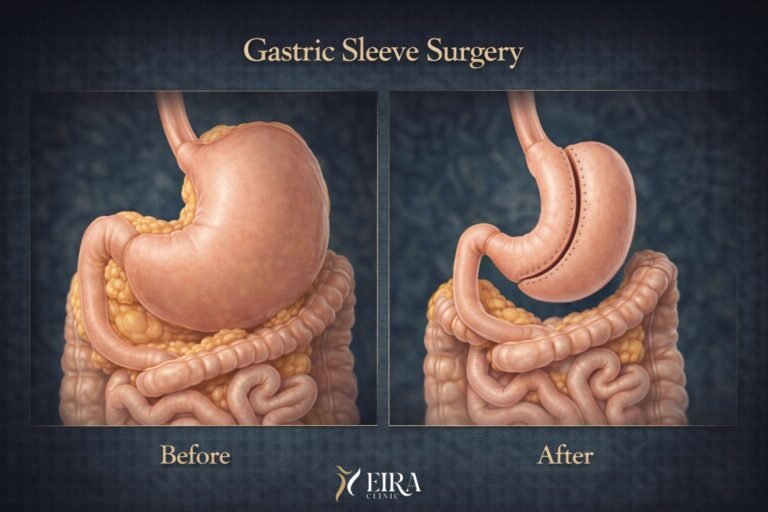
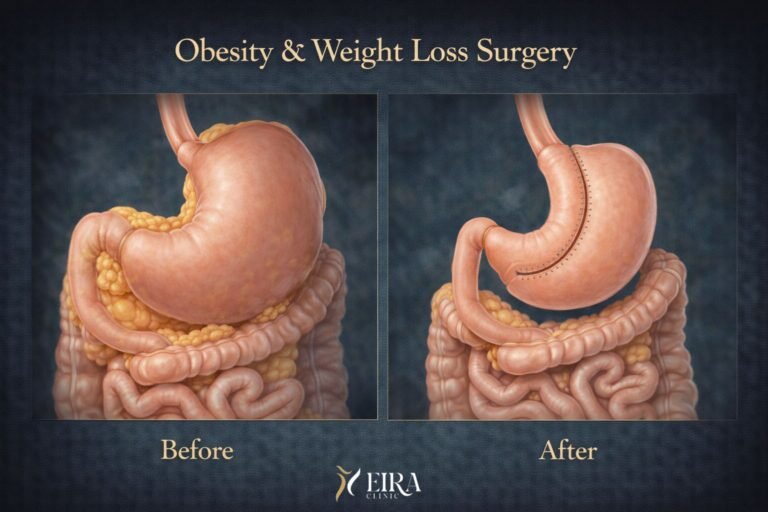
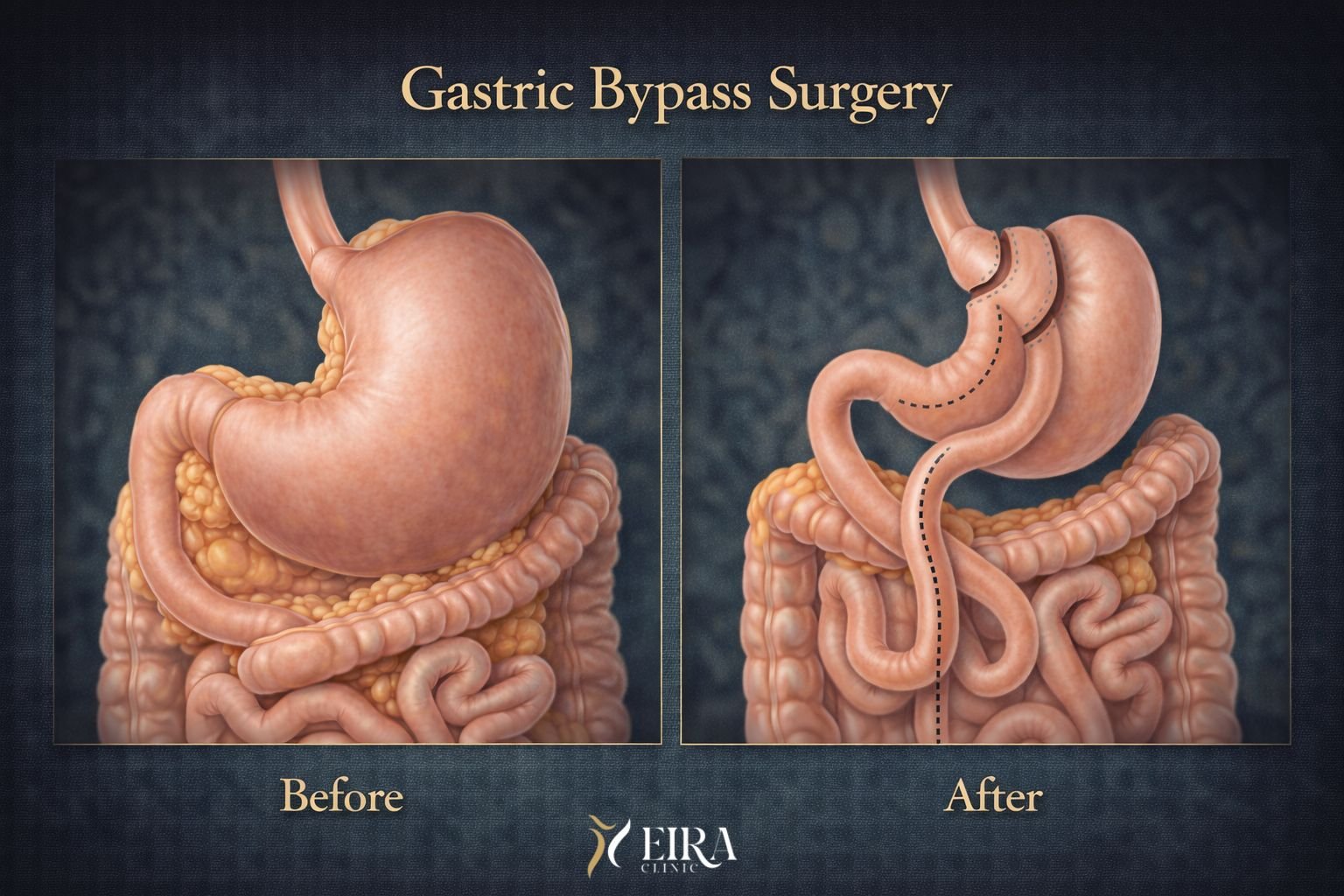
Surgery Is a Tool — Follow-Up Is the Strategy
Weight loss surgery:
- Creates a physiological advantage
- Regulates appetite and intake
Follow-up care:
- Protects results
- Prevents complications
- Guides long-term behavior change
Without follow-up, even the best surgery can fail.
⸻
What Long-Term Follow-Up Includes
🥗 Nutritional Guidance
- Structured meal progression
- Protein-focused nutrition
- Vitamin and mineral supplementation
- Monitoring for deficiencies
Nutrition is the backbone of long-term success.
⸻
🩺 Medical Monitoring
- Regular blood tests
- Weight and metabolic tracking
- Adjustment of supplements
- Early detection of complications
Medical follow-up protects both health and results.
⸻
🧠 Behavioral & Lifestyle Support
- Managing emotional eating
- Building sustainable habits
- Physical activity integration
- Stress and sleep management
Weight loss is physical and psychological.
⸻
Preventing Weight Regain
Weight regain is not failure —
it is usually a signal that support is missing.
Long-term follow-up helps:
- Identify early warning signs
- Correct habits before relapse
- Reinforce healthy routines
- Maintain motivation and accountability
Consistency beats intensity.
⸻
The Role of the Medical Team
Successful obesity treatment requires a multidisciplinary team, including:
- Bariatric surgeon
- Nutritionist
- Medical doctor
- Support staff
Each role is essential — none work alone.
⸻
Patient Responsibility: An Honest Conversation
Surgery helps — but commitment matters.
Long-term success requires:
- Attending follow-up appointments
- Following nutritional guidelines
- Taking supplements as prescribed
- Adopting lifestyle changes
The patient and medical team work together.
⸻
Frequently Asked Questions (FAQ)
How long do I need follow-up after surgery?
Lifelong monitoring is recommended — frequency decreases over time.
Is weight regain common?
Small fluctuations are normal; structured follow-up prevents major regain.
Can I manage on my own after surgery?
Support significantly improves outcomes and safety.
⸻
Final Thoughts
Weight loss surgery is not a finish line —
it is the starting point of a healthier life.
Real success comes from:
- Proper consultation
- Correct procedure choice
- Continuous medical follow-up
- Long-term lifestyle change
When surgery and support work together, results last.