A Medical Path to Health, Mobility, and Long-Term Balance
Obesity is not a lack of willpower.
It is a complex medical condition that affects metabolism, hormones, joints, heart health, and overall quality of life.
Weight loss surgery is not about appearance —
it is about restoring health, mobility, and long-term balance when other methods are no longer enough.
⸻
Understanding Obesity as a Medical Condition
Obesity increases the risk of:
- Type 2 diabetes
- High blood pressure
- Heart disease
- Joint problems
- Sleep apnea
- Fatigue and reduced mobility
It also affects:
- Hormonal balance
- Metabolism
- Mental well-being
Treating obesity requires a medical, not cosmetic, approach.
⸻
When Is Weight Loss Surgery Considered?
Weight loss surgery may be recommended when:
- BMI is significantly elevated
- Medical conditions are linked to excess weight
- Diet and exercise alone have not been effective
- Long-term health risks outweigh surgical risks
Surgery is considered after careful medical evaluation.
⸻
Weight Loss Surgery Is a Tool — Not a Shortcut
Surgery does not replace:
- Healthy eating habits
- Lifestyle changes
- Medical follow-up
Instead, it:
- Helps regulate appetite hormones
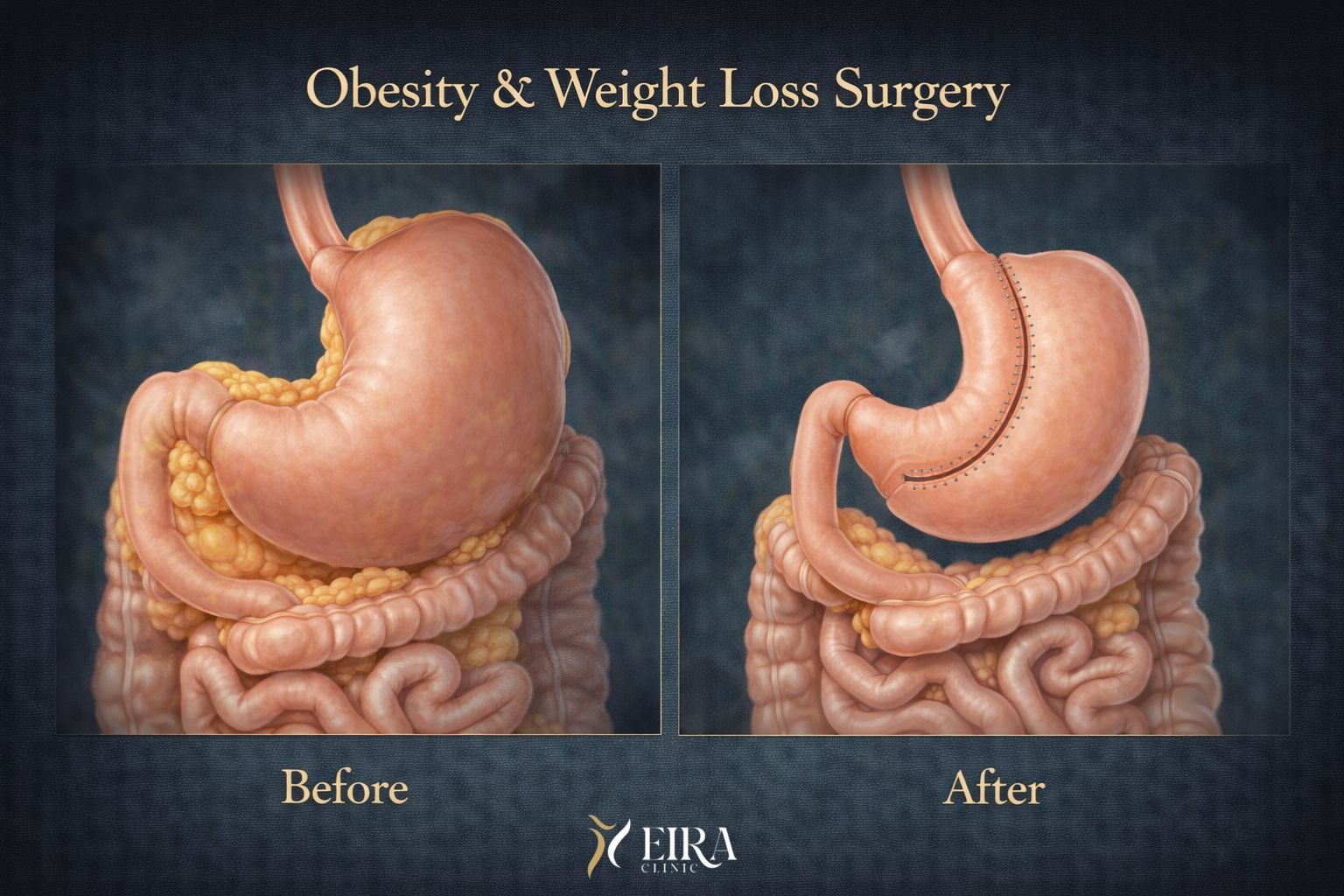
- Reduces food intake capacity
- Supports sustainable weight loss
Success depends on commitment and guidance.
⸻
Types of Weight Loss Surgery
Modern bariatric surgery includes:
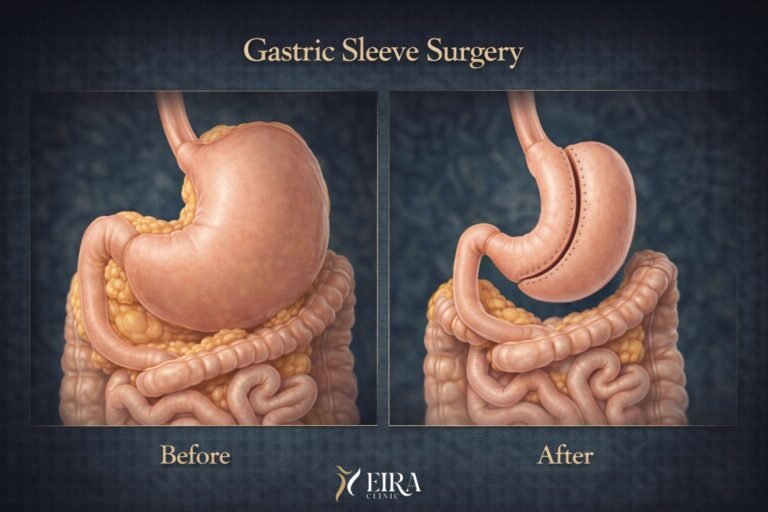
- Gastric Sleeve Surgery
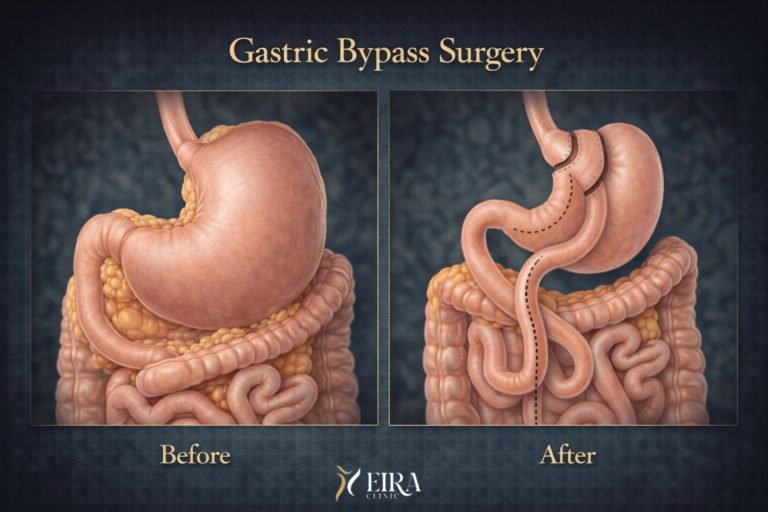
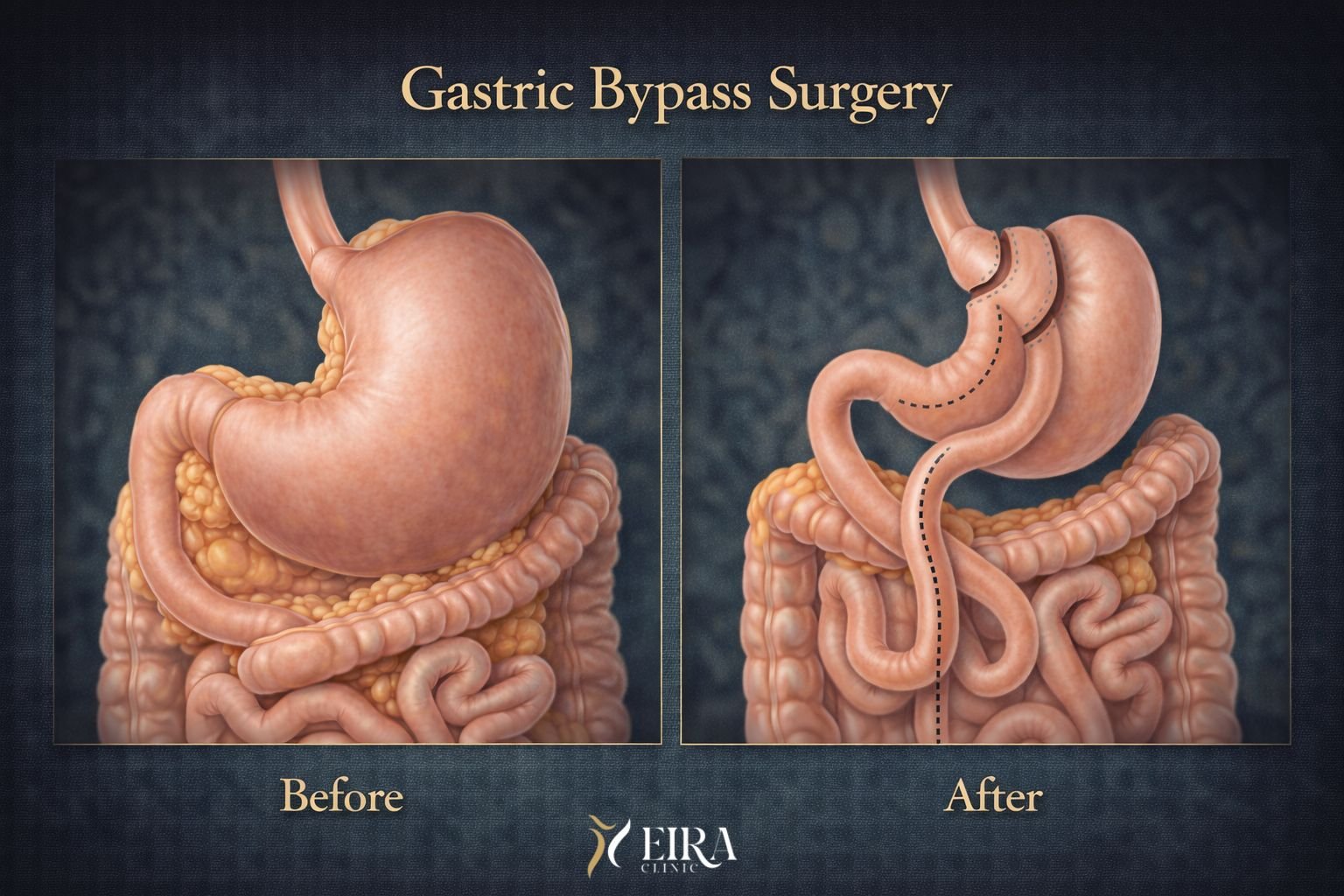
- Gastric Bypass
- Medical obesity consultation & follow-up
Each option serves different medical needs.
⸻
Benefits Beyond Weight Loss
Patients often experience:
- Improved blood sugar control
- Reduced blood pressure
- Relief from joint pain
- Better sleep quality
- Increased energy
- Improved mental health
Health improvement is the true success metric.
⸻
Safety and Medical Team Matter
Safe weight loss surgery requires:
- Experienced bariatric surgeons
- Proper hospital infrastructure
- Multidisciplinary medical team
- Structured follow-up care
Surgery without follow-up compromises results.
⸻
Life After Weight Loss Surgery
Post-surgery life includes:
- Gradual weight loss over months
- Nutritional guidance
- Vitamin supplementation
- Lifestyle adjustments
- Regular medical monitoring
This is a journey, not a one-day event.
⸻
Common Myths About Obesity Surgery
“It’s the easy way out.”
❌ False. It requires discipline and long-term change.
“Weight always comes back.”
❌ With proper follow-up, results are sustainable.
“It’s only cosmetic.”
❌ Health improvement is the main goal.
⸻
Frequently Asked Questions (FAQ)
Is weight loss surgery safe?
Yes — when performed by qualified teams with proper follow-up.
How fast will I lose weight?
Gradually over months; healthy loss is sustainable loss.
Will I need supplements?
Yes — nutritional support is essential after surgery.
⸻
Final Thoughts
Weight loss surgery is not about becoming someone else —
it’s about becoming healthier, stronger, and more mobile.
When chosen responsibly, it can be a life-changing medical intervention.