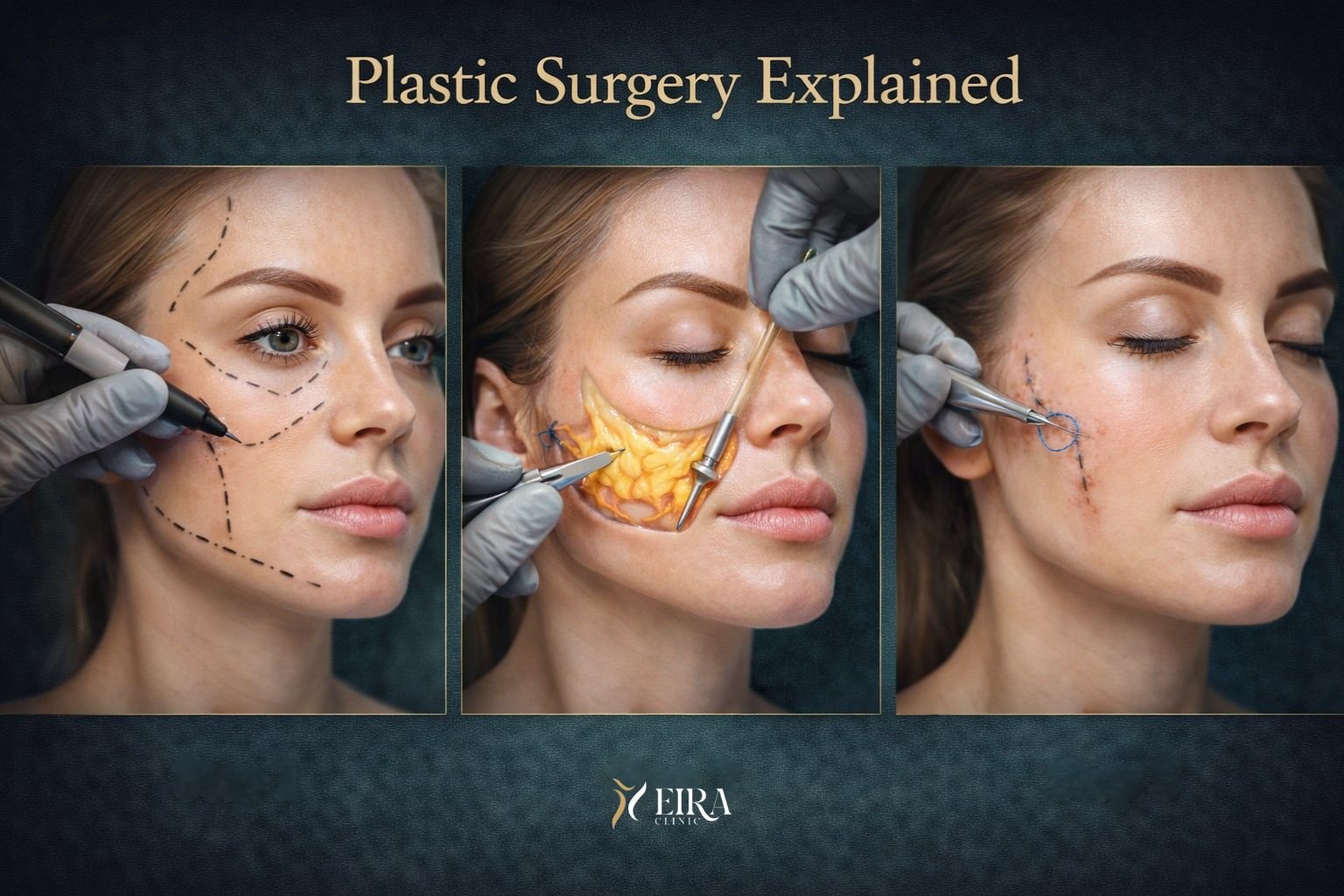
A Medical Approach to Natural, Safe, and Balanced Results
Plastic surgery is often misunderstood as purely cosmetic.
In reality, it is a medical specialty that combines anatomy, function, aesthetics, and long-term safety.
The goal of modern plastic surgery is not to change who you are —
but to restore balance, proportion, and confidence while respecting natural anatomy.
⸻
What Is Plastic Surgery — Really?
Plastic surgery focuses on:
- Reshaping and restoring body structures
- Improving function and appearance
- Correcting congenital, traumatic, or age-related changes
It includes both:
- Aesthetic (cosmetic) surgery
- Reconstructive surgery
At a professional level, these two often overlap.
⸻
The Philosophy of Modern Plastic Surgery
The most successful plastic surgery results share three principles:
1️⃣ Natural Proportion
Results should harmonize with:
- Facial features
- Body frame
- Age and gender
Extreme or exaggerated outcomes are a sign of poor planning.
⸻
2️⃣ Functional Preservation
Aesthetic improvement should never compromise:
- Breathing
- Movement
- Muscle function
- Skin health
Function always comes first.
⸻
3️⃣ Long-Term Safety
Good surgery considers:
- Healing quality
- Scar placement
- Tissue integrity
- Aging over time
A beautiful result today should still look good years later.
⸻
Why Proper Consultation Matters
Plastic surgery is not “one size fits all.”
A professional consultation evaluates:
- Anatomy and tissue quality
- Skin elasticity
- Medical history
- Lifestyle factors
- Patient expectations
Unrealistic goals are corrected before surgery — not after.
⸻
Common Plastic Surgery Procedures
Plastic surgery includes a wide range of procedures, such as:
- Rhinoplasty (nose reshaping)
- Breast surgery (lifting, reshaping)
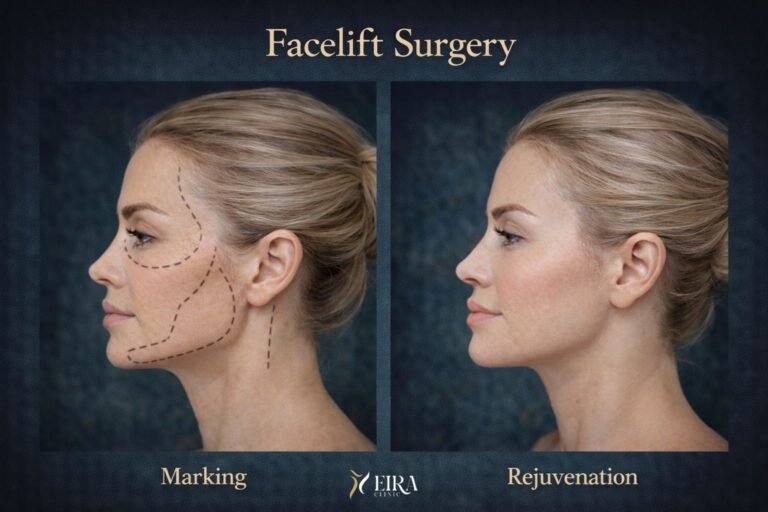
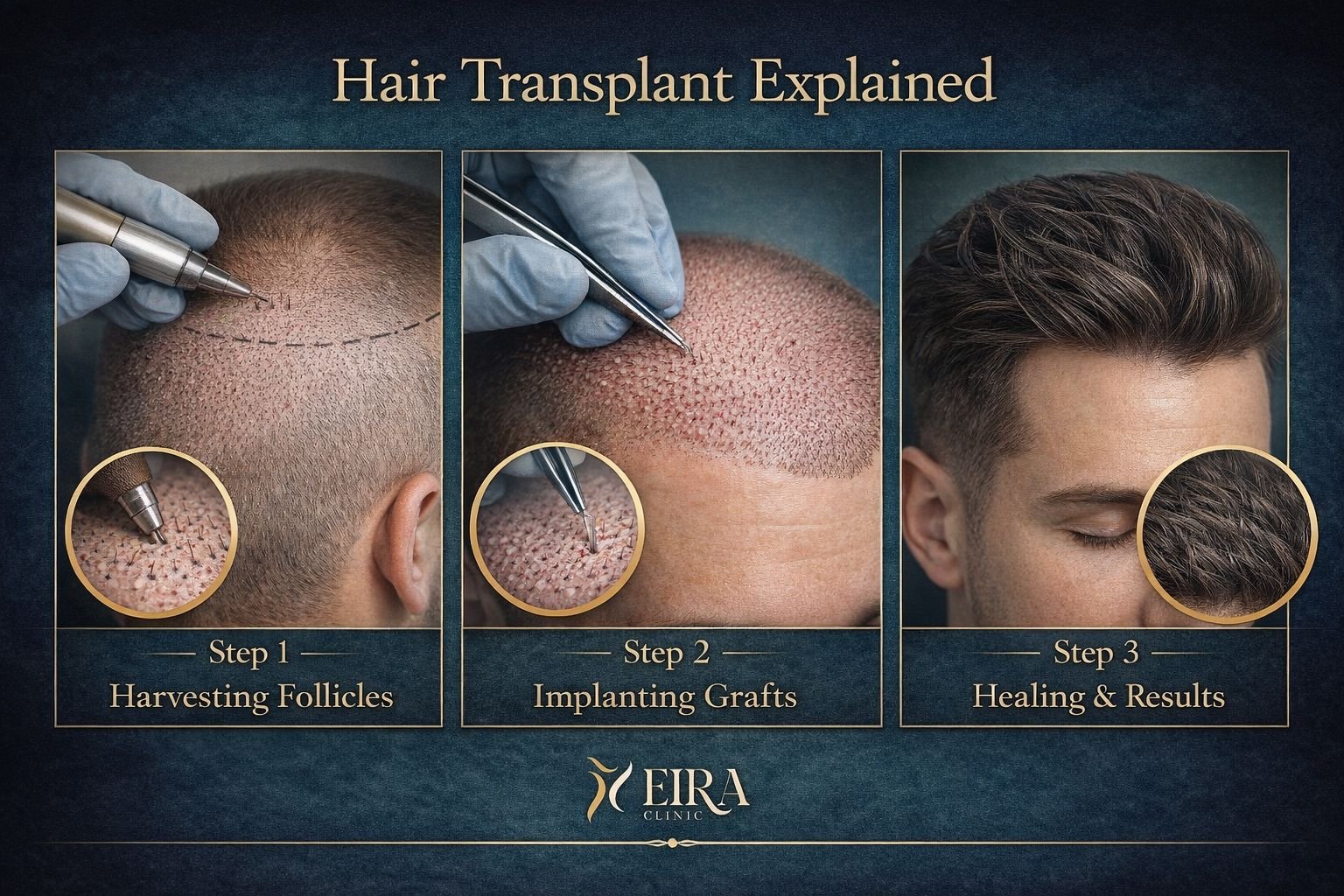
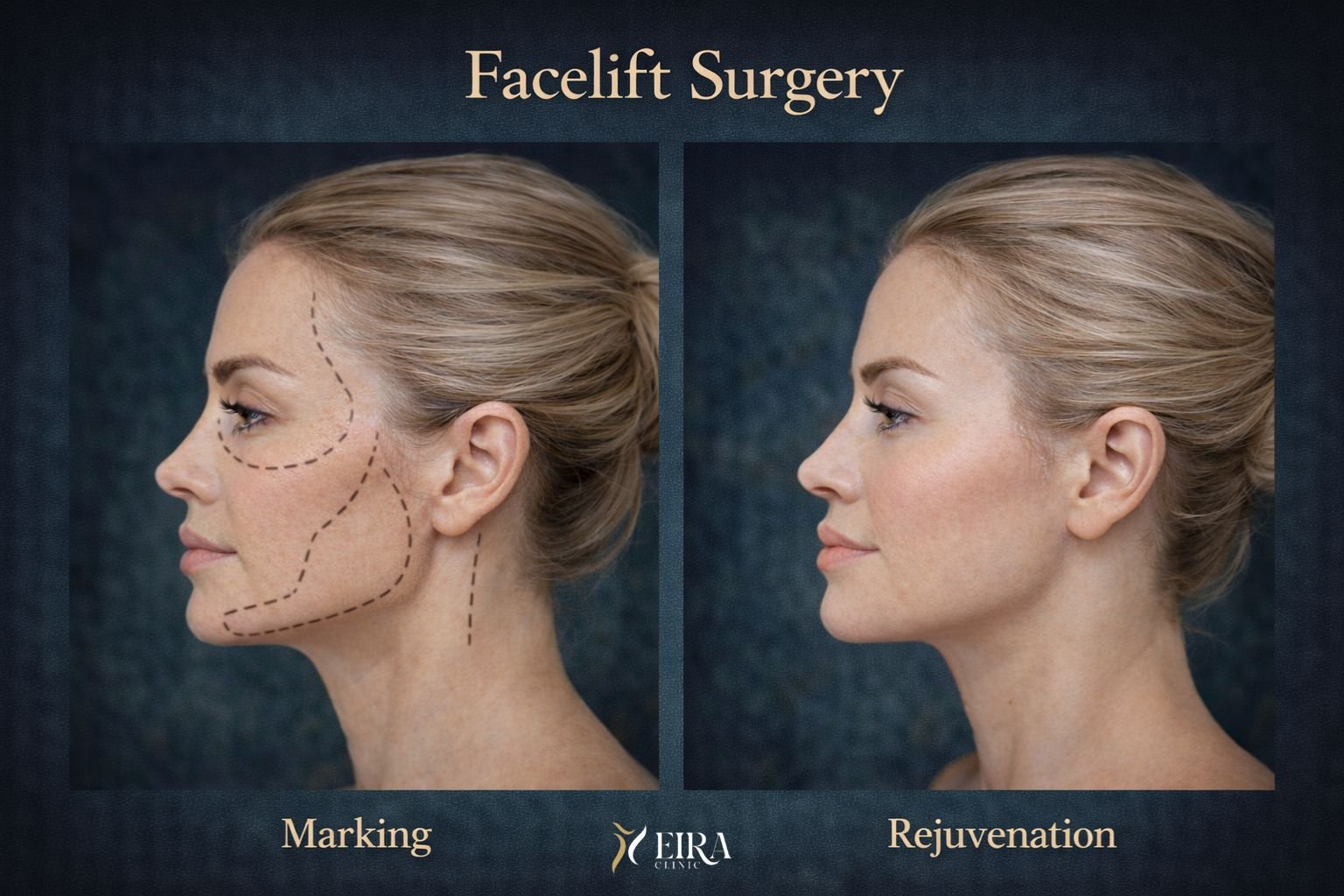
- Facial lifting procedures
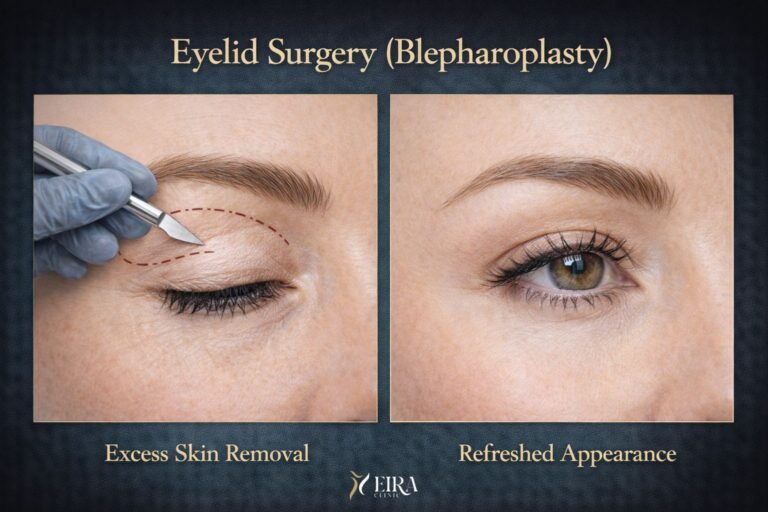
- Eyelid surgery
- Body contouring
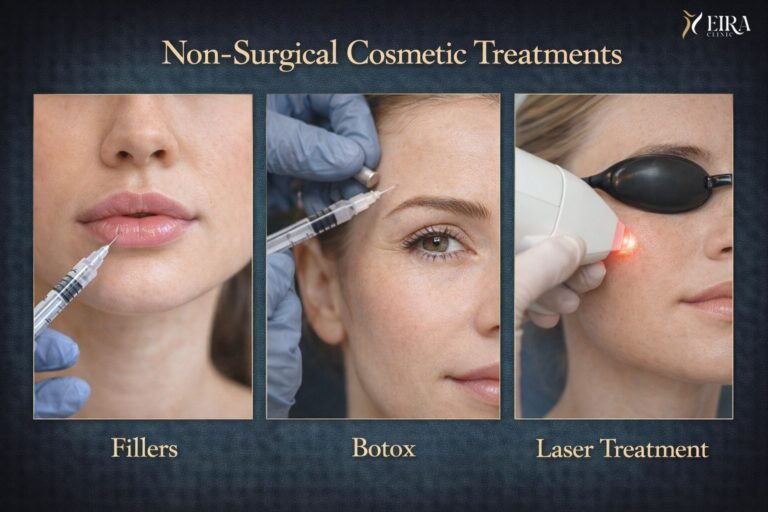
- Non-surgical aesthetic treatments
Each procedure requires specific expertise and planning.
⸻
Safety Starts with the Surgeon and Facility
True safety depends on:
- Board-certified surgeons
- Accredited medical facilities
- Proper anesthesia protocols
- Sterile operating environments
- Structured post-operative care
Cutting corners increases risk — even for “simple” procedures.
⸻
Natural Results Are Designed — Not Hoped For
Natural outcomes require:
- Pre-operative analysis
- Proportion planning
- Respect for anatomy
- Conservative surgical technique
The best plastic surgery is often not noticed —
people simply look refreshed, balanced, and confident.
⸻
Recovery Is Part of the Result
Healing affects final outcomes.
Good recovery planning includes:
- Clear aftercare instructions
- Realistic downtime expectations
- Follow-up monitoring
- Scar management
Patients who respect recovery get better results.
⸻
Frequently Asked Questions (FAQ)
Is plastic surgery safe?
Yes — when performed by qualified surgeons in proper facilities.
Will I look “overdone”?
Not with proper planning and conservative technique.
How long do results last?
Longevity depends on procedure type, tissue quality, and lifestyle.
⸻
Final Thoughts
Plastic surgery is not about transformation —
it’s about refinement, balance, and confidence.
When performed responsibly, it enhances appearance without erasing identity.