What Truly Determines Success After Surgery
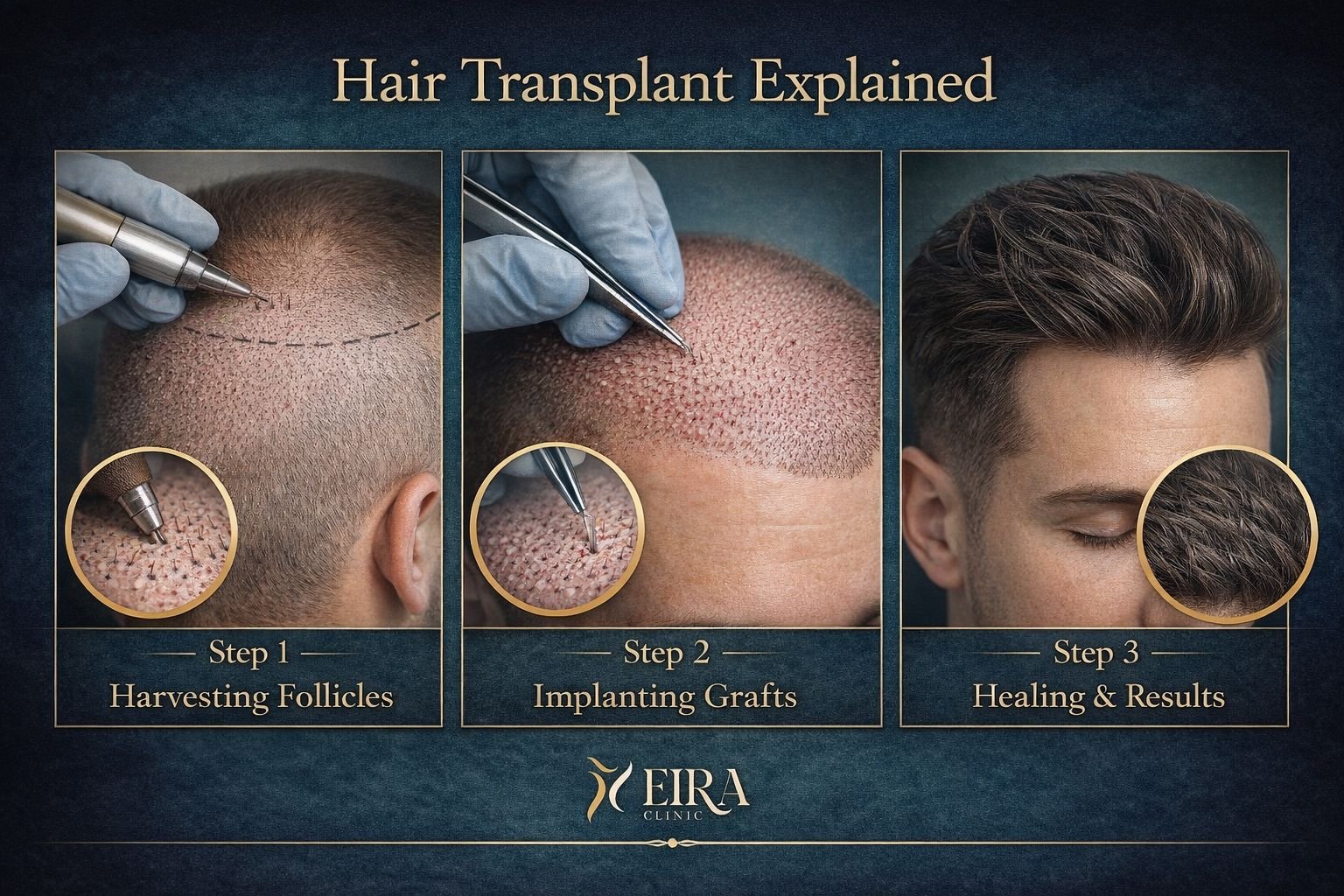
A successful hair transplant doesn’t end when surgery is finished.
In fact, what happens after the procedure plays a critical role in the final result.
Proper post-operative care protects:
- Graft survival
- Healing quality
- Natural appearance
- Long-term density
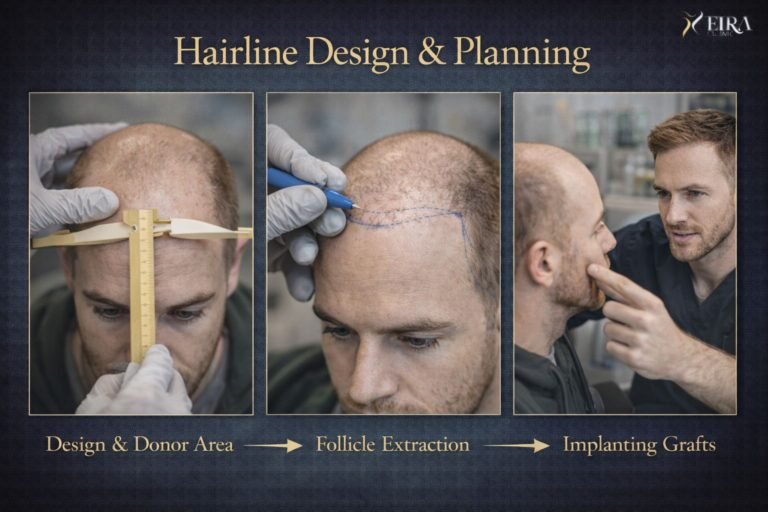
This guide explains exactly what matters after a hair transplant — and why it matters.
⸻
Why Post-Transplant Care Is So Important
After implantation, hair grafts are:
- Extremely delicate
- Dependent on blood supply
- Vulnerable to trauma and infection
The first days and weeks determine whether grafts:
- Integrate successfully
- Or fail before growth begins
Good surgery + poor aftercare = compromised results.
⸻
The First 72 Hours: Critical Protection Phase
During the first days:
- Grafts are not yet anchored
- Any friction or pressure can dislodge them
Patients must:
- Avoid touching or scratching
- Sleep with head elevated
- Avoid sweating and physical exertion
- Protect the scalp from impact
These instructions are non-negotiable.
⸻
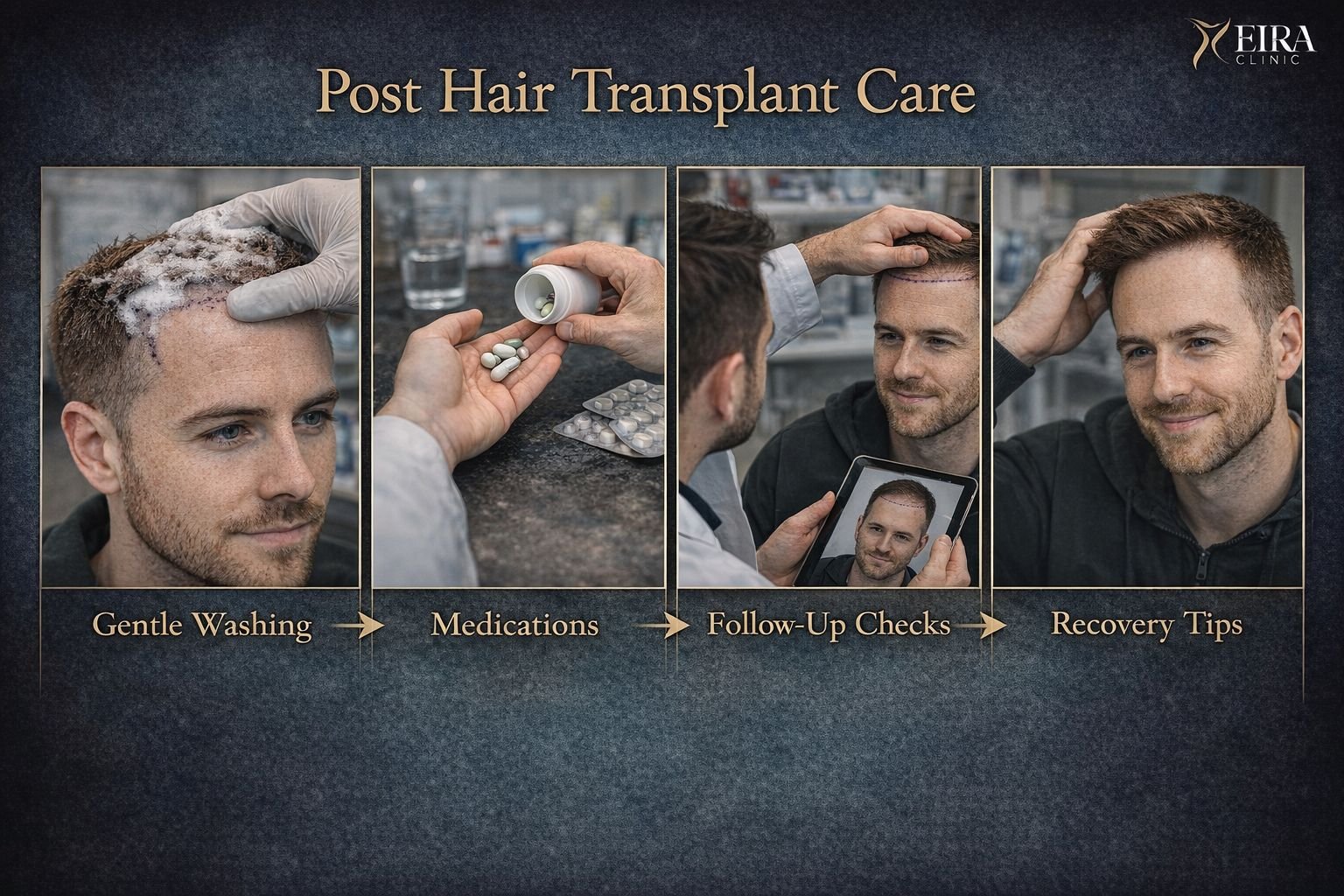
Washing the Hair: Timing and Technique Matter
Hair washing is usually started a few days after surgery, following specific instructions.
Key principles:
- No direct water pressure
- Gentle movements only
- Medical shampoo as prescribed
- No rubbing or scratching
Improper washing is one of the most common causes of graft loss.
⸻
Scabbing: What’s Normal and What’s Not
Small scabs are normal and expected.
Proper care allows:
- Scabs to fall off naturally within 7–10 days
Never:
- Pick scabs
- Force removal
Early removal can damage follicles and affect growth.
⸻
Shedding Phase: The Most Misunderstood Stage
Many patients panic when transplanted hair falls out weeks after surgery.
This is normal and expected.
Known as “shock loss”:
- Hair shafts fall out
- Hair follicles remain alive
- New growth begins months later
Shedding is a sign of healing — not failure.
⸻
Medications and Supportive Treatments
Post-transplant care may include:
- Antibiotics (short-term)
- Anti-inflammatory medications
- Pain management
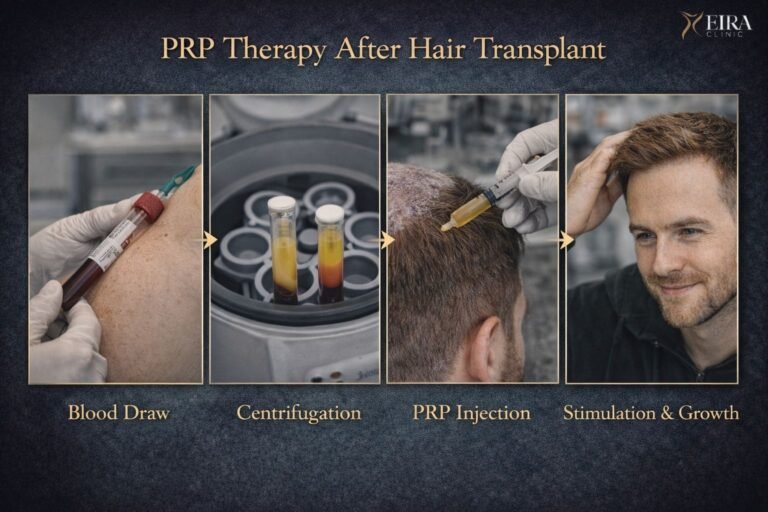
- Supportive treatments like PRP (when indicated)
Always follow medical instructions exactly.
⸻
Activities to Avoid During Healing
To protect grafts, patients should avoid:
- Intense exercise (first weeks)
- Swimming (pools & sea)
- Sauna and steam rooms
- Sun exposure
- Smoking and alcohol
These factors negatively affect healing and blood supply.
⸻
Nutrition and Lifestyle: Hidden Factors
Healthy healing depends on:
- Balanced nutrition
- Adequate hydration
- Proper sleep
Deficiencies or poor lifestyle choices slow recovery and reduce graft survival.
⸻
Long-Term Care and Expectations
Hair transplant results develop gradually.
Timeline recap:
- 1–3 months: shedding phase
- 3–4 months: early regrowth
- 6 months: visible improvement
- 9–12 months: final result
Patience is part of the process.
⸻
Common Post-Transplant Mistakes
❌ Ignoring aftercare instructions
❌ Touching or scratching grafts
❌ Returning to intense activity too early
❌ Smoking during healing
❌ Unrealistic expectations
Avoiding these mistakes protects your investment.
⸻
Frequently Asked Questions (FAQ)
When can I return to work?
Often within a few days, depending on job type.
When can I cut or style my hair?
After proper healing — your doctor will advise.
Is PRP necessary after transplant?
Not mandatory, but beneficial in selected cases.
⸻
Final Thoughts
A hair transplant is a partnership.
The clinic provides:
- Planning
- Technique
- Precision
The patient provides:
- Care
- Discipline
- Patience
Together, they create successful, natural results