
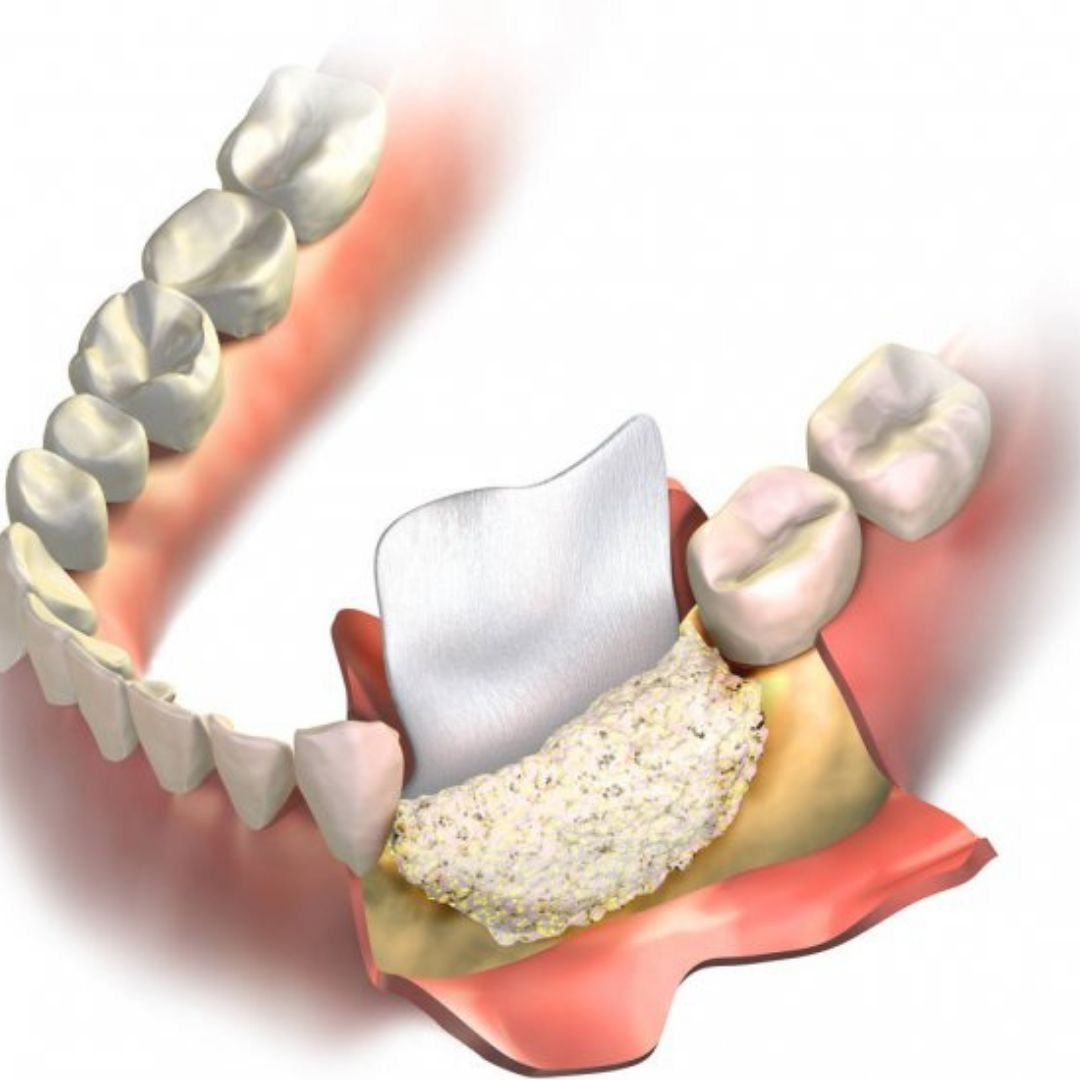
🦴 Bone Grafting
Rebuilding Bone. Restoring Stability. Enabling Implants.
Healthy jawbone is the foundation of successful dental implants and long-term oral health.
At Eira Clinic, Bone Grafting is performed to rebuild lost or insufficient bone, creating a strong and stable base for implants and advanced dental treatments.
Bone grafting is not an extra step — it is often the key to long-term success.
⸻
🌟 What Is Bone Grafting?
Bone Grafting is a surgical procedure used to restore or increase jawbone volume in areas where bone has been lost due to:
• Tooth loss
• Gum disease
• Trauma
• Long-term denture use
• Natural bone resorption over time
By rebuilding the bone, we make it possible to place dental implants safely and predictably.
⸻
🎯 Who Needs Bone Grafting?
Bone grafting may be recommended if you:
• Have insufficient bone for dental implants
• Lost teeth a long time ago
• Have bone loss due to periodontal disease
• Are planning full-arch implant treatments
• Were previously told implants were not possible
⚠️
A full clinical and radiographic evaluation is required to determine the need and type of grafting.
⸻
🧠 Why Bone Grafting Is Important
Without adequate bone:
• Implants cannot be placed safely
• Implant stability is compromised
• Long-term success is reduced
Bone grafting:
• Restores bone volume
• Improves implant stability
• Preserves facial structure
• Supports long-lasting results
It allows treatment to be done correctly — not compromised.
⸻
🖥️ Digital Planning & Diagnosis
At Eira Clinic, bone grafting begins with precise diagnosis.
We use:
• 3D CBCT imaging
• Digital measurements of bone height and width
• Detailed treatment planning
This ensures:
• Accurate graft placement
• Reduced surgical risks
• Predictable healing
⸻
🧪 Types of Bone Grafting Materials
Depending on the case, different grafting materials may be used, including:
• Synthetic bone materials
• Biocompatible bone substitutes
• Advanced regenerative materials
Material selection depends on:
• Size of bone defect
• Implant plan
• Healing requirements
• Long-term stability goals
All materials used are medically approved and safe.
⸻
⏱️ Bone Grafting Procedure & Healing
The procedure generally includes:
1. Surgical placement of graft material
2. Stabilization and protection of the graft
3. Healing period for bone regeneration
4. Implant placement after adequate integration
Healing time varies depending on the graft size and individual healing capacity.
⸻
😌 Comfort & Recovery
Bone grafting is performed using:
• Gentle surgical techniques
• Strict sterile protocols
• Clear post-operative care instructions
Most patients experience mild to moderate discomfort that is manageable and temporary.
⸻
🦷 Bone Grafting & Implant Success
Bone grafting significantly improves:
• Implant placement options
• Implant stability
• Long-term success rates
It is often combined with:
• Dental implants
• All-on-4 / All-on-6
• Sinus lift procedures
⸻
❓ Frequently Asked Questions (FAQ)
Is bone grafting painful?
The procedure is performed with patient comfort as a priority. Discomfort is usually mild and temporary.
How long does bone grafting take to heal?
Healing time varies depending on the graft size, typically allowing sufficient bone regeneration before implant placement.
Is bone grafting safe?
Yes. When properly planned and performed, bone grafting is a safe and predictable procedure.
Can implants be placed immediately after bone grafting?
In some cases yes, but often implants are placed after the graft has fully healed.