Dental implants are one way to replace missing teeth. This guide introduces the choices to discuss with a dentist before considering implant treatment in Istanbul.
Potential benefits of dental implants
Losing one or more teeth is not only an aesthetic concern.
It affects bone health, chewing efficiency, speech, facial structure, and long-term oral stability.
What Are Dental Implants?
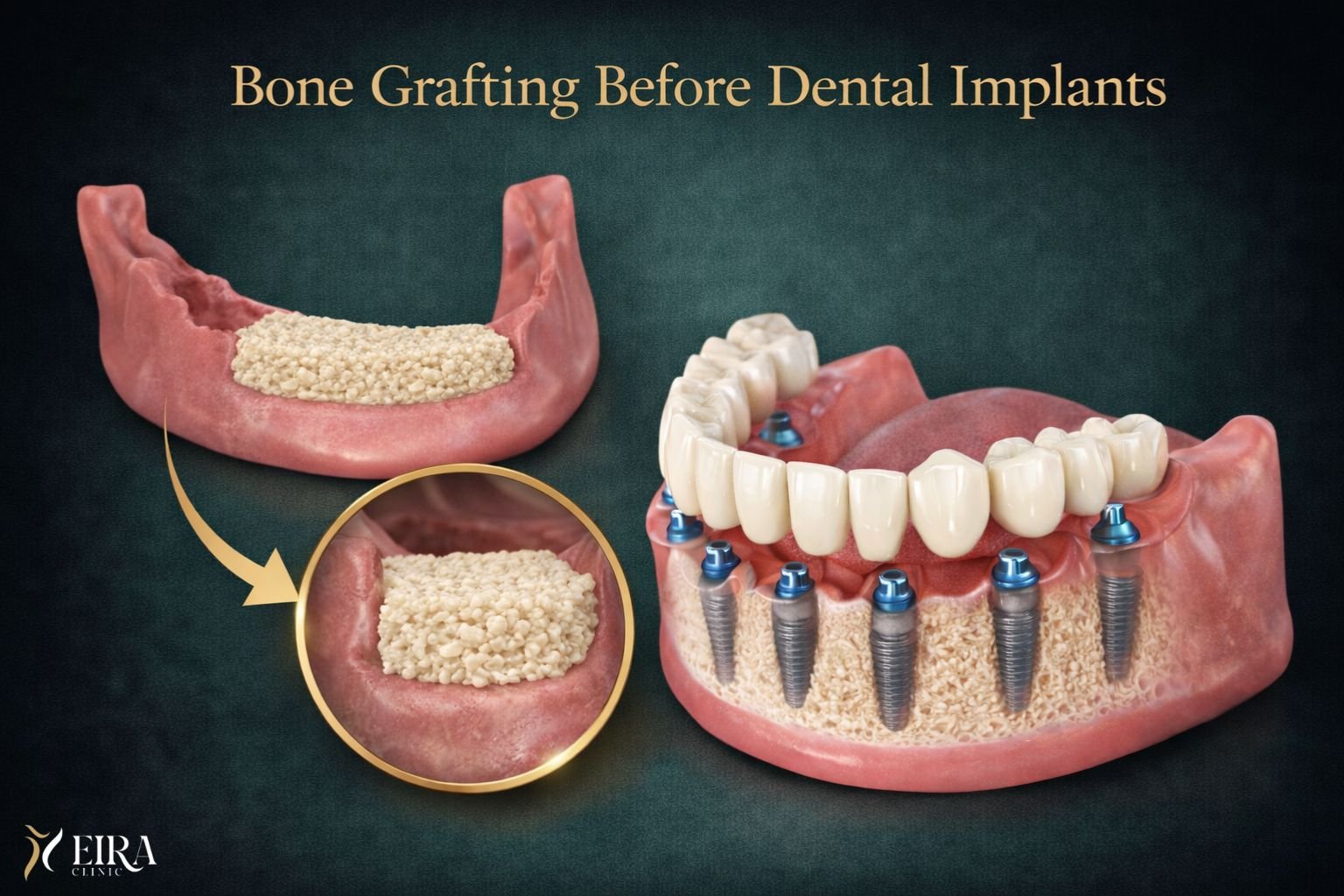
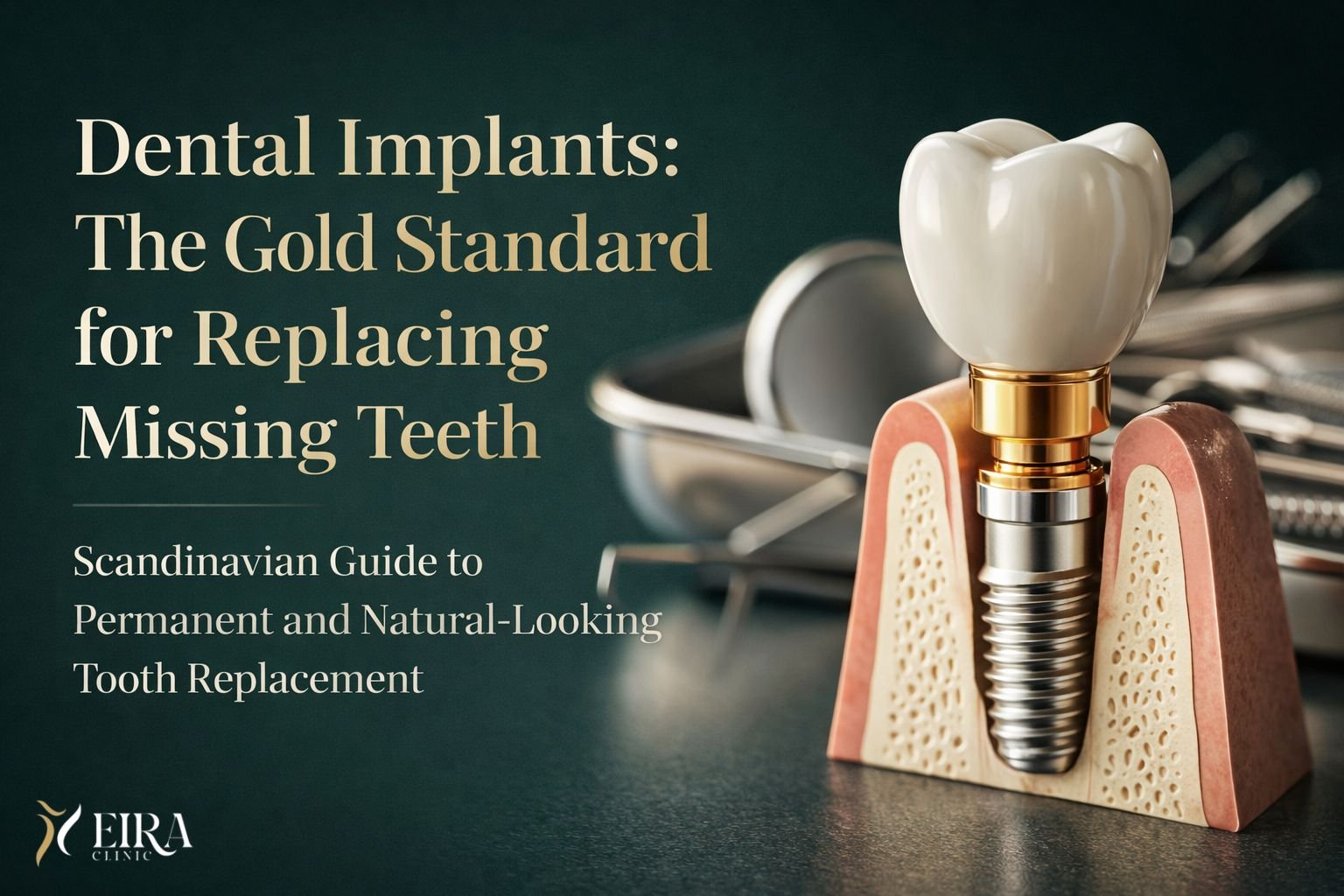
A dental implant is a medical-grade titanium post that is surgically placed into the jawbone to replace the root of a missing tooth.
Once integrated with the bone through a process called osseointegration, the implant serves as a strong and stable foundation for:
• A crown (single tooth)
• A bridge (multiple teeth)
• A full-arch restoration (All-on-4 / All-on-6)
Unlike removable solutions, dental implants become part of the jaw — functioning like natural teeth.
Potential benefits of dental implants
Dental implants are fundamentally different from dentures or bridges because they replace the tooth from the root upward, not just what is visible above the gum line.
Key Advantages of Dental Implants
1⃣ Bone Preservation
When a tooth is lost, the jawbone begins to shrink due to lack of stimulation.
implants restore this stimulation and help prevent bone loss.
2⃣ Natural Function
Implants restore normal chewing forces, allowing patients to eat comfortably and confidently.
3⃣ Stability & Comfort
Unlike removable dentures, implants do not move, slip, or irritate the gums.
4⃣ Protection of Neighboring Teeth
Dental implants do not rely on adjacent teeth for support, preserving healthy tooth structure.
5⃣ Long-Term Solution
With proper planning and care, implants are designed to last for decades.
Dental Implants vs Other Tooth Replacement Options
implants
• Fixed and permanent
• Preserve jawbone
• Natural appearance and function
• Long-term stability
Dental Bridges
• Rely on neighboring teeth
• Do not prevent bone loss
• May weaken supporting teeth over time
Dentures
• Removable
• Less stable
• Accelerate bone loss
• Require frequent adjustments
From a medical perspective, implants provide the most complete and biologically sound solution.
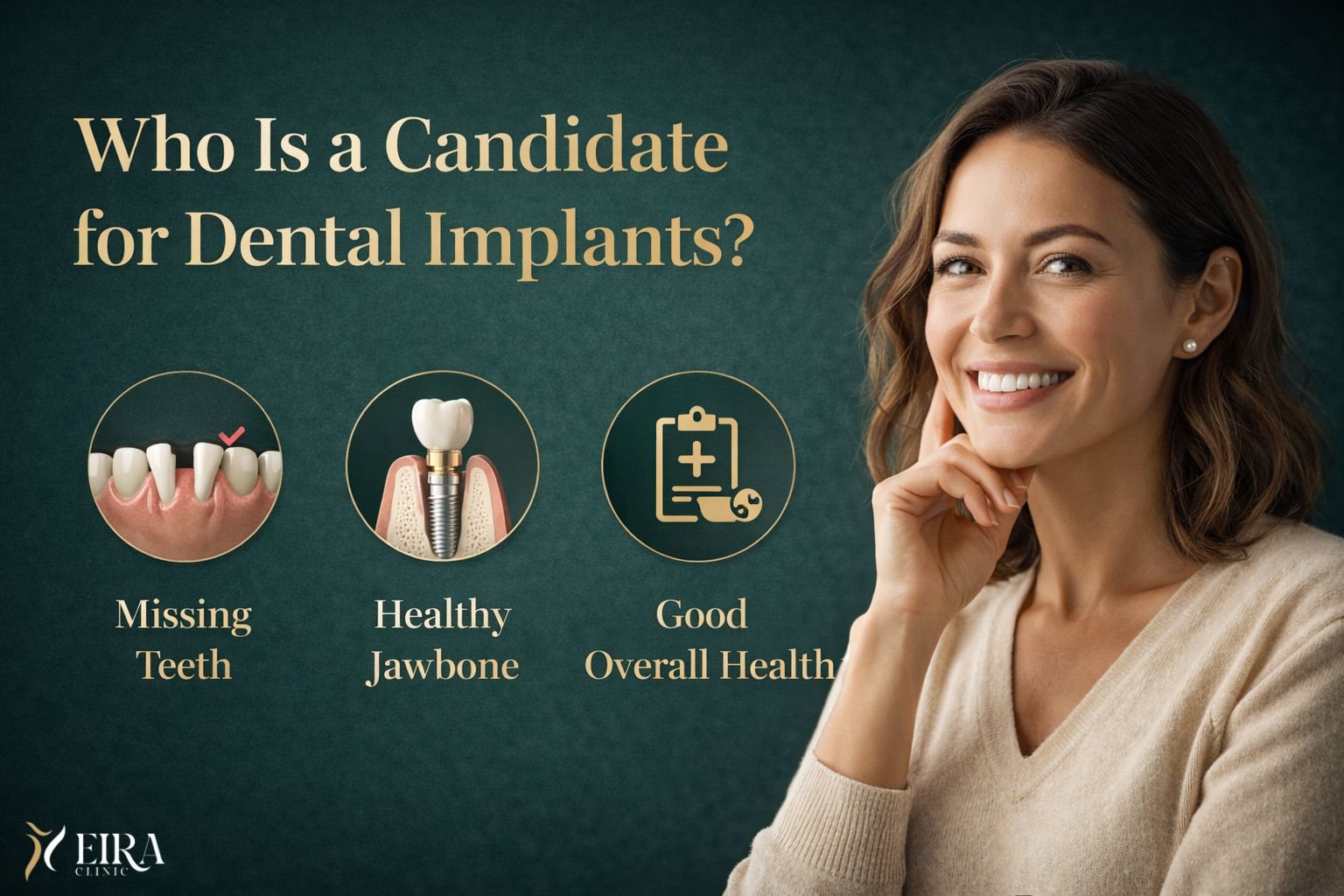
Who Is a Candidate for Dental Implants?
Most adults are potential candidates for implants, but proper evaluation is essential.
Key factors include:
• Jawbone quality and volume
• Gum health
• General medical condition
• Smoking habits
• Commitment to oral hygiene
A 3D CBCT scan is critical to accurately assess bone structure and plan safe implant placement.
The Importance of Proper Implant Planning
The success of dental implants depends far more on planning than on the implant itself.
Advanced implant planning includes:
• 3D imaging (CBCT)
• Digital bite analysis
• Prosthetic-driven implant positioning
• Evaluation of long-term chewing forces
Implants placed without proper planning may function initially but fail over time.
The Dental Implant Treatment Process
While each case is unique, the general process includes:
1⃣ Medical and dental evaluation
2⃣ 3D imaging and digital planning
3⃣ Implant placement surgery
4⃣ Healing and osseointegration
5⃣ Final prosthetic restoration
Each step is designed to ensure long-term stability and natural results.
Are implants Safe?
Yes. Dental implants are one of the most researched and successful procedures in modern dentistry.
When placed by experienced professionals under proper medical protocols, implant success rates are extremely high.
Safety depends on:
• Accurate diagnosis
• Sterile surgical environment
• Proper implant selection
• Long-term follow-up
Life After implants
Dental implants require care similar to natural teeth:
• Daily brushing and flossing
• Regular professional check-ups
• Healthy lifestyle habits
With proper maintenance, implants integrate seamlessly into daily life.
Questions for your dentist
Take questions from this article to an individual consultation. Ask how the assessment affects your plan, which alternatives are available and what to do if problems arise. This article cannot determine which treatment you should choose.
Related treatment in Istanbul
Read about implants in Istanbul at Eira Clinic. Contact us with an enquiry.
This article provides general information and does not replace a dental examination or advice from your own dentist.
Independent background information: patient information from a professional or public health source.