Gum treatment is a topic to discuss when you notice changes in your gums or need ongoing periodontal care. Use this guide to prepare questions for a dental assessment.
Most people focus on teeth when thinking about oral health —
but gums are the foundation that keeps teeth stable, healthy, and functional.
Healthy teeth cannot exist without healthy gums.
Ignoring gum health often leads to tooth loss, bone damage, and implant failure.
This article explains why gum treatments are essential, not optional.
What Are Gum Diseases?
Gum disease is an inflammatory condition affecting the tissues that support teeth.
It usually progresses in stages:
1 Gingivitis
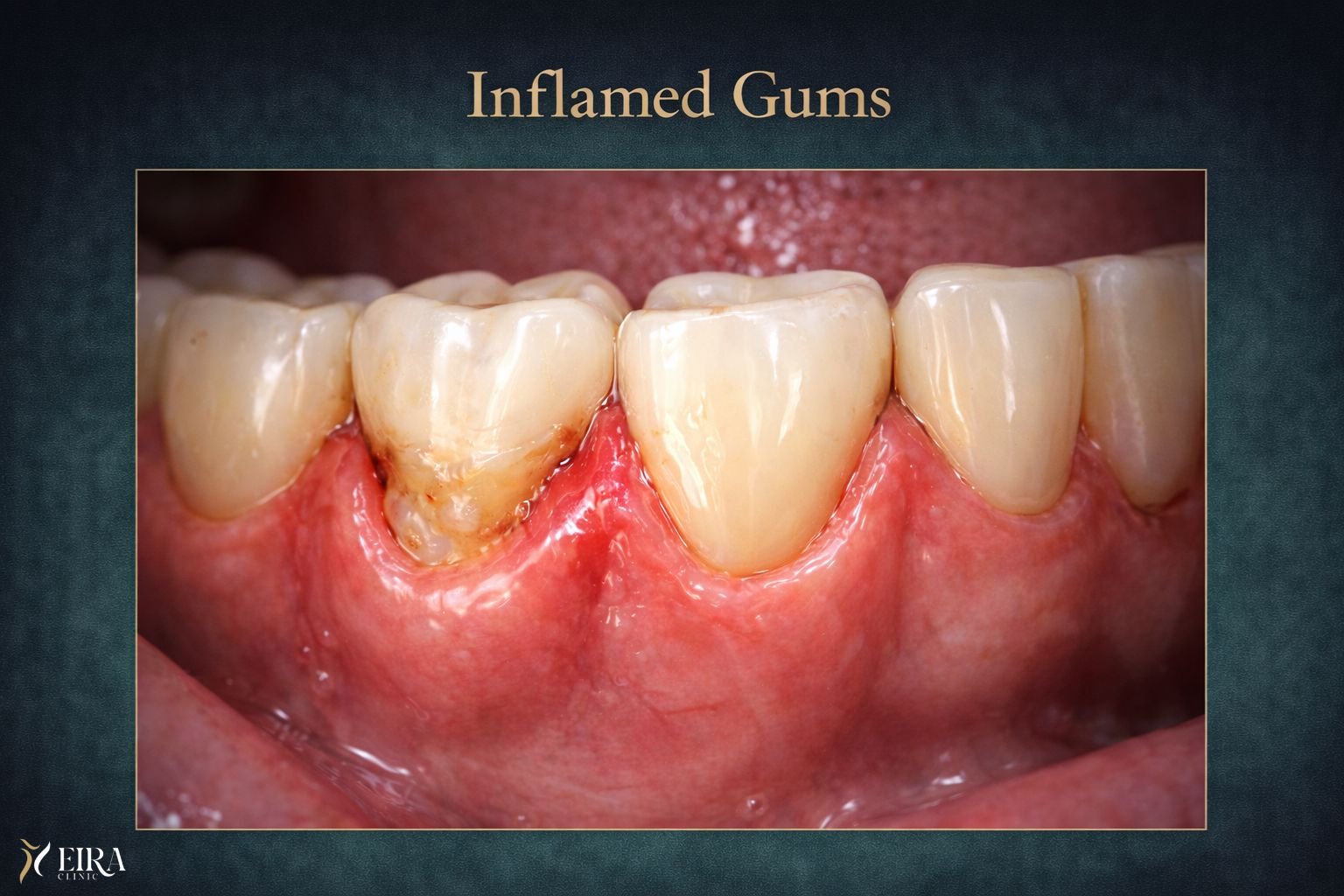
- Mild inflammation
- Redness and swelling
- Bleeding during brushing
At this stage, gum disease is reversible.
2 Periodontitis
- Advanced gum infection
- Bone loss around teeth
- Gum recession
- Tooth mobility
This stage is not reversible, but it is manageable with proper treatment.
Why Gum Health Is Critical
Healthy gums:
- Secure teeth in place
- Protect the jawbone
- Prevent bacterial spread
- Support long-term dental treatments
Unhealthy gums compromise:
- Natural teeth
- Crowns and bridges
- Dental implants
Gum disease is one of the leading causes of tooth loss worldwide.
Common Signs of Gum Problems
You may need gum treatment if you experience:
- Bleeding gums
- Bad breath
- Gum recession
- Tooth sensitivity
- Loose teeth
- Swollen or tender gums
Gum disease can progress without pain, making regular check-ups essential.
Types of Gum Treatments
1 Professional Deep Cleaning (Scaling & Root Planing)
- Removes plaque and tartar below the gumline
- Smooths root surfaces
- Reduces inflammation
Often the first line of treatment.
2 Periodontal Maintenance
- Regular follow-up cleanings
- Prevents disease progression
- Essential for long-term control
3 Advanced Periodontal Treatments
- Local antimicrobial therapy
- Surgical gum treatment (in severe cases)
- Regenerative procedures when bone loss exists
Treatment is tailored to disease severity.
Gum Disease and Overall Health
Research links gum disease to:
- Heart disease
- Diabetes complications
- Respiratory issues
Oral health is directly connected to systemic health.
Gum Health and Dental Implants
Healthy gums are critical for implant success.
Gum disease around implants (peri-implantitis) can cause:
- Bone loss
- Implant instability
- Implant failure
Preventive gum care protects both natural teeth and implants.
Prevention: The Most Powerful Treatment
Gum disease is largely preventable.
Key prevention steps include:
- Proper brushing and flossing
- Regular professional cleanings
- Early intervention
- Managing risk factors (smoking, diabetes)
Prevention is always easier than treatment.
Questions for your dentist
Take questions from this article to an individual consultation. Ask how the assessment affects your plan, which alternatives are available and what to do if problems arise. This article cannot determine which treatment you should choose.
Related treatment in Istanbul
Read about Gum treatment at Eira Clinic. Contact us with an enquiry.
This article provides general information and does not replace a dental examination or advice from your own dentist.
Independent background information: patient information from a professional or public health source.