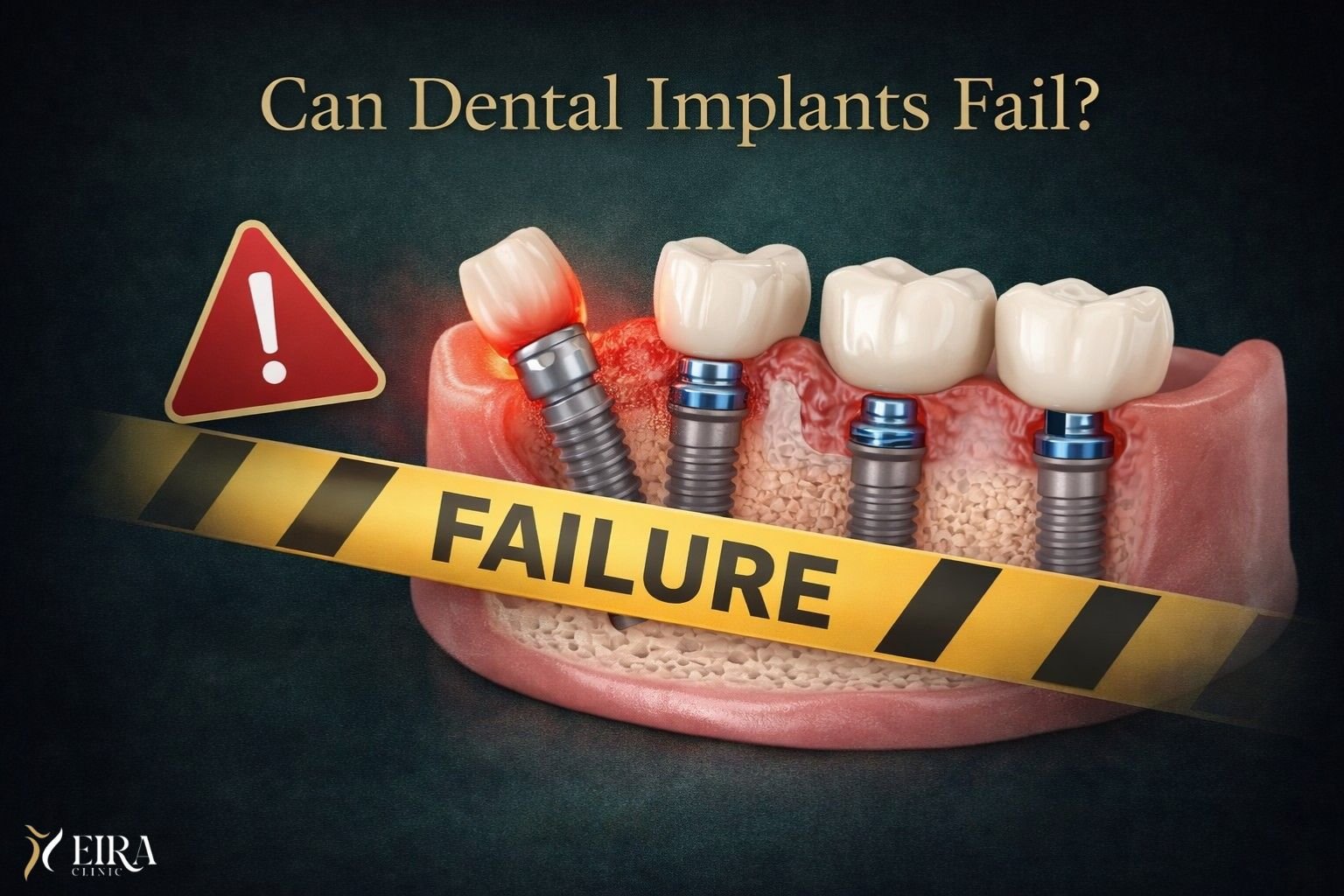
Causes, Prevention, and the Reality Patients Should Know
Dental implants are one of the most successful procedures in modern medicine —
but like any medical treatment, they are not 100% immune to complications.
The real question is not “Can implants fail?”
The real question is: why do failures happen, and how can they be prevented?
Understanding the reality behind implant failure empowers patients to make safer, smarter decisions.
⸻
How Successful Are Dental Implants?
When properly planned and placed, dental implants have success rates exceeding 90–95%.
Failures are uncommon, and when they occur, they are usually related to:
- Planning issues
- Healing conditions
- Patient habits
- Lack of follow-up
Implants rarely fail “randomly.”
⸻
Types of Dental Implant Failure
1️⃣ Early Implant Failure
Occurs before the implant fully integrates with the bone.
Common causes:
- Poor bone quality
- Inadequate initial stability
- Infection
- Excessive movement during healing
- Smoking during early healing
Early failure is usually detected quickly and can often be corrected.
⸻
2️⃣ Late Implant Failure
Occurs months or years after successful integration.
Common causes:
- Peri-implantitis (implant gum disease)
- Chronic overload from bite forces
- Poor oral hygiene
- Lack of maintenance
- Untreated teeth grinding (bruxism)
Late failure develops slowly and is often preventable.
⸻
The Most Common Causes of Implant Failure
⚠️ Poor Treatment Planning
Skipping 3D imaging or digital planning increases risk significantly.
Implants placed in the wrong position may:
- Be overloaded
- Compromise prosthetic design
- Fail over time
⸻
⚠️ Bone-Related Issues
- Low bone quality
- Unaddressed bone loss
- Inadequate grafting
Bone is the foundation — ignoring it leads to failure.
⸻
⚠️ Gum Disease Around Implants
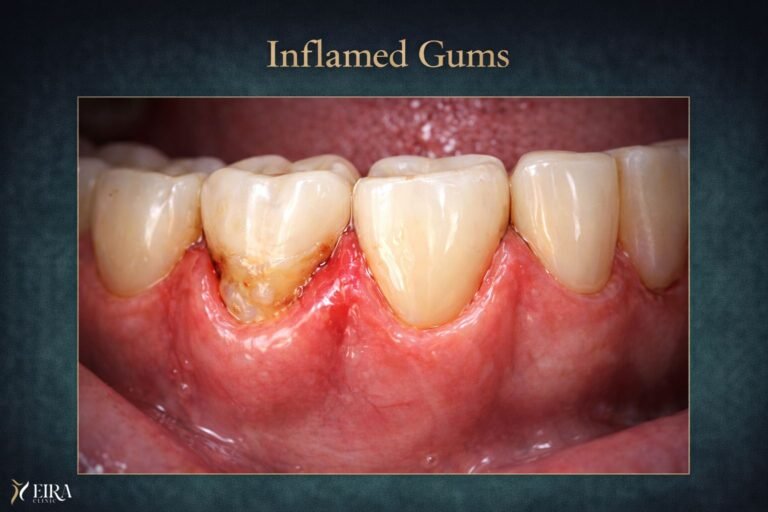
Implants can develop peri-implant disease, similar to gum disease around natural teeth.
Without proper hygiene and maintenance, bone loss can occur around implants.
⸻
⚠️ Smoking
Smoking reduces blood supply and healing capacity.
Smokers have:
- Higher complication rates
- Increased failure risk
- Slower healing
⸻
⚠️ Excessive Bite Forces
Strong bite forces or untreated grinding can overload implants.
Without proper bite adjustment or night guards, mechanical stress increases failure risk.
⸻
How Implant Failure Is Prevented
Advanced implant centers focus on prevention, not reaction.
Prevention includes:
- Detailed medical evaluation
- 3D CBCT imaging
- Prosthetic-driven planning
- Correct implant number and distribution
- Bite analysis and adjustment
- Structured follow-up care
Most failures are predictable — and preventable.
⸻
What Happens If an Implant Fails?
Implant failure does not always mean the end of treatment.
Possible solutions include:
- Removing the failed implant
- Allowing the bone to heal
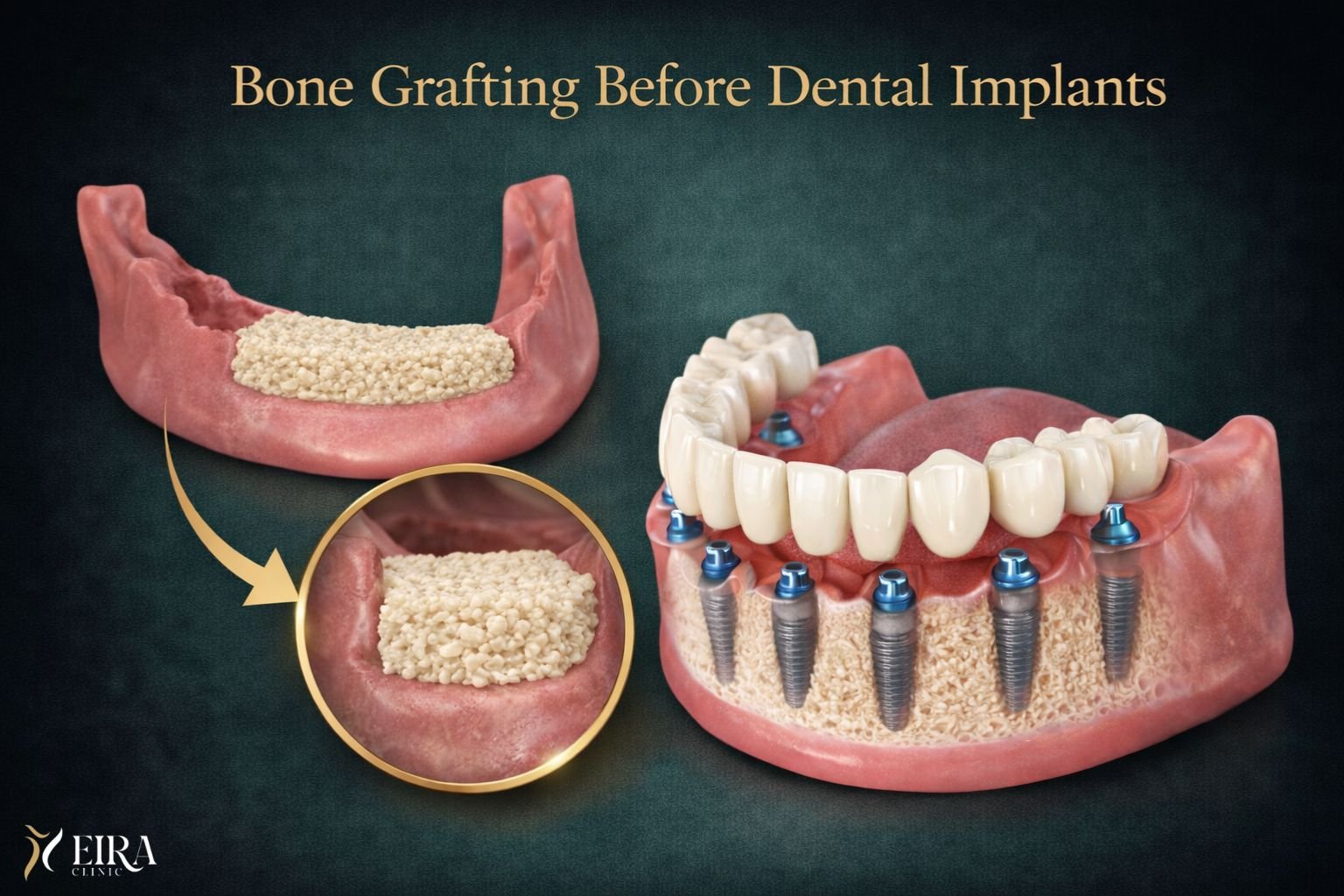
- Bone grafting if needed
- Replacing the implant under better conditions
With proper management, many patients successfully receive implants again.
⸻
Warning Signs Patients Should Not Ignore
Contact your dentist if you notice:
- Persistent pain
- Swelling or redness around the implant
- Bleeding
- Implant mobility
- Bad taste or odor
Early detection protects long-term outcomes.
⸻
Frequently Asked Questions (FAQ)
Is implant failure common?
No. It is relatively rare when treatment is properly planned.
Can failed implants be replaced?
Yes, in many cases — with corrective planning.
Does failure mean implants aren’t for me?
Not necessarily. Failure often reflects planning or healing issues, not suitability.
⸻
Final Thoughts
Dental implant failure is real —
but it is far less common than patients fear.
When implants are planned scientifically, placed precisely, and maintained responsibly, success is the rule — not the exception.