When They’re the Right Choice — and When They’re Not
Dental veneers are one of the most powerful tools in aesthetic dentistry —
when used for the right reasons.
They can transform a smile beautifully, but they are not a universal solution.
Understanding when veneers are appropriate — and when other treatments are better — is essential for long-term satisfaction.
⸻
What Are Dental Veneers?
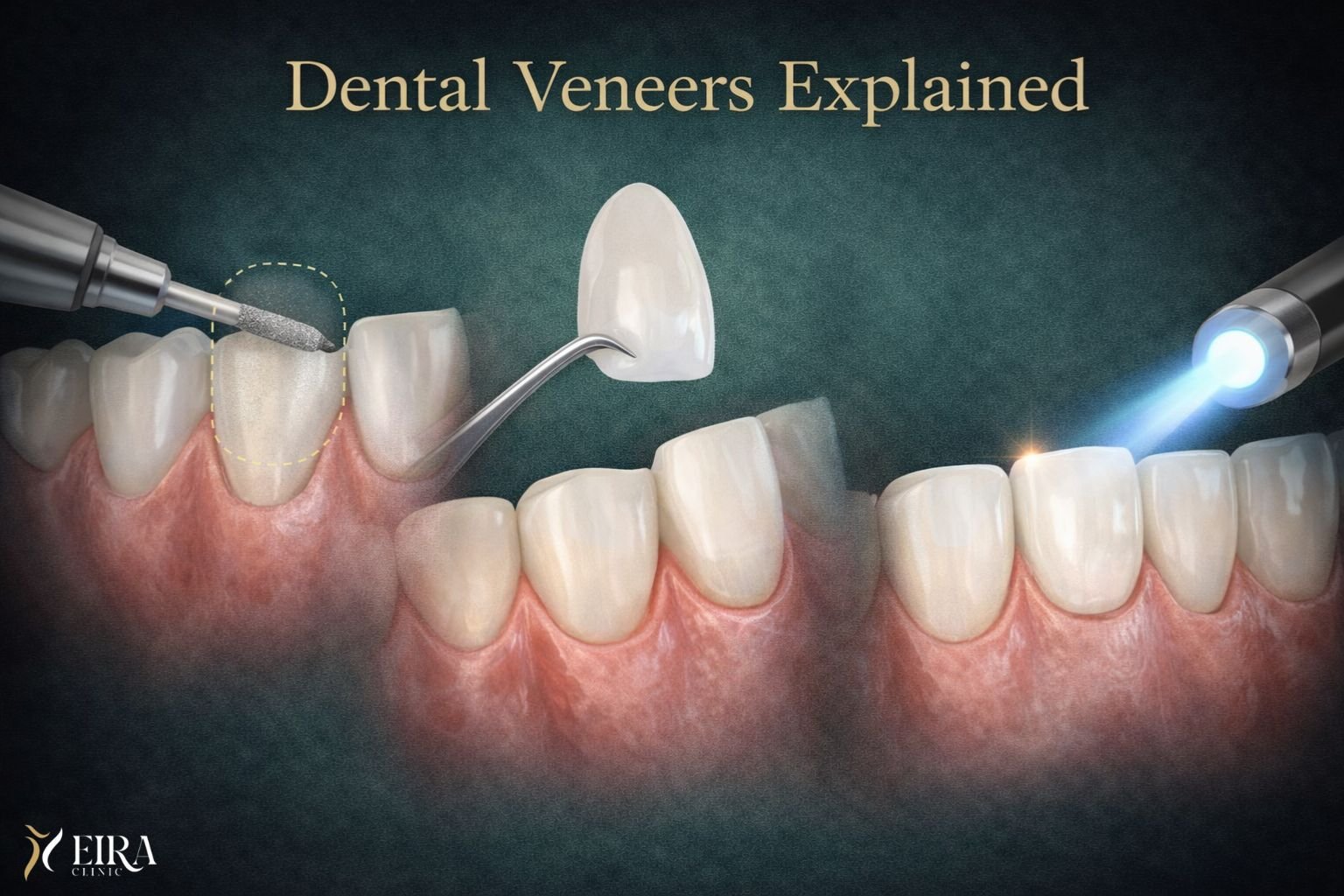
Dental veneers are thin, custom-made shells bonded to the front surface of teeth to improve:
- Shape
- Color
- Proportion
- Alignment (in selected cases)
They are typically made from porcelain or advanced ceramic materials, designed to mimic the natural translucency of enamel.
⸻
What Veneers Can Correct
Veneers are ideal for addressing aesthetic concerns, such as:
- Discolored teeth that don’t respond to whitening
- Chipped or worn edges
- Uneven tooth sizes
- Small gaps between teeth
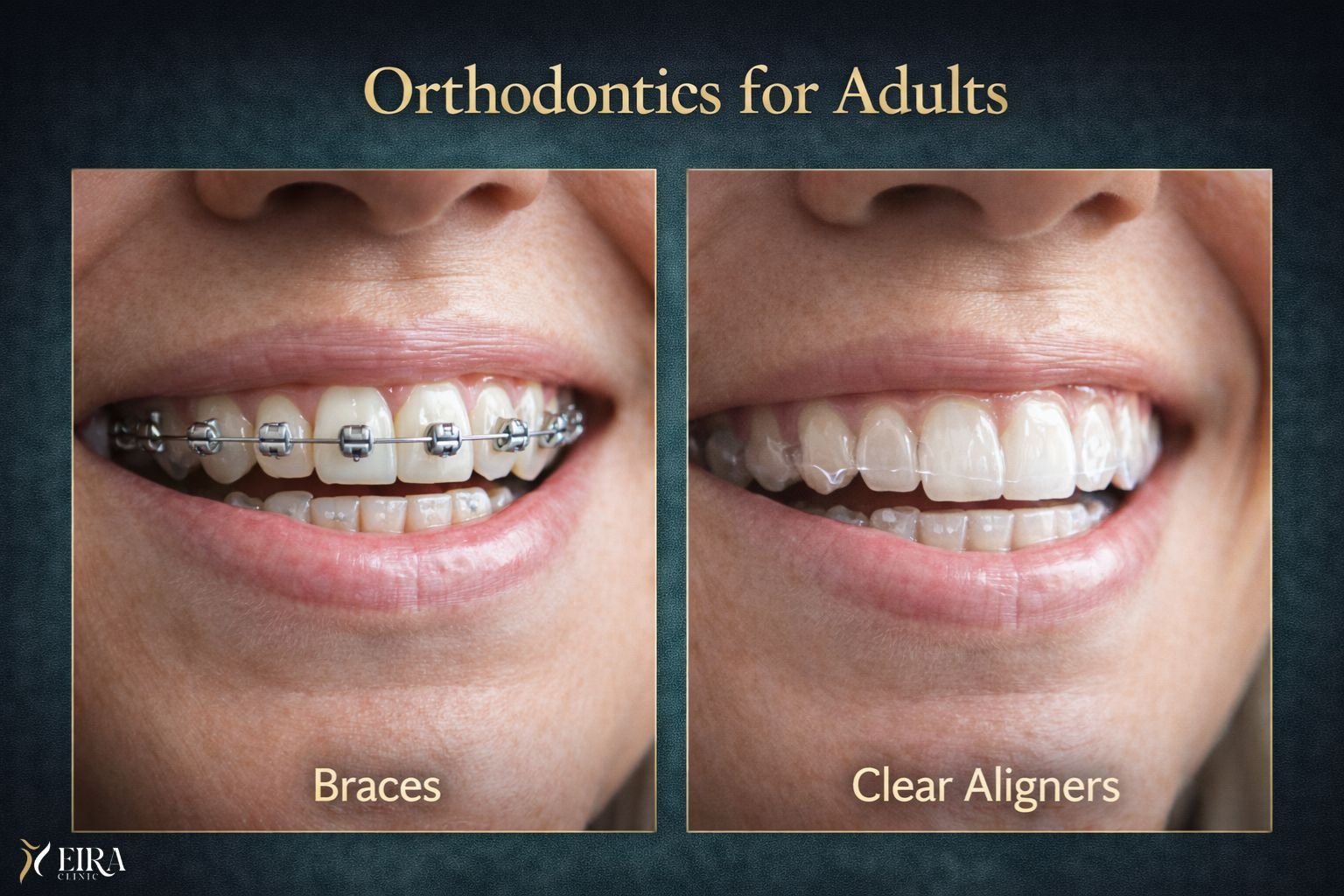
- Mild misalignment
- Asymmetrical smile lines
When indications are correct, veneers deliver natural-looking, long-lasting results.
⸻
When Veneers Are the Right Choice
Veneers are best suited for patients who:
- Have healthy teeth and gums
- Want aesthetic improvement rather than functional correction
- Seek conservative smile enhancement
- Understand that veneers are a cosmetic solution
Proper case selection is what separates natural results from artificial-looking smiles.
⸻
When Veneers Are NOT the Best Option
Veneers may not be ideal if:
- Teeth have extensive decay or large fillings
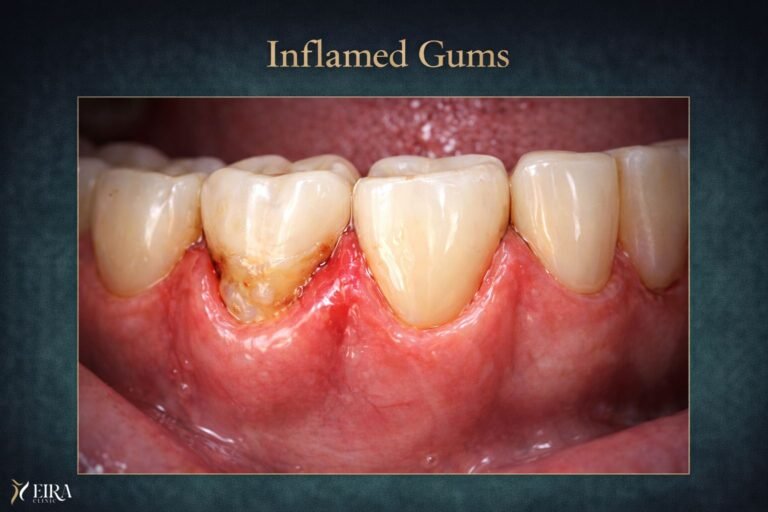
- There is active gum disease
- Bite problems are severe
- Teeth grinding is untreated
- Structural damage requires full coverage
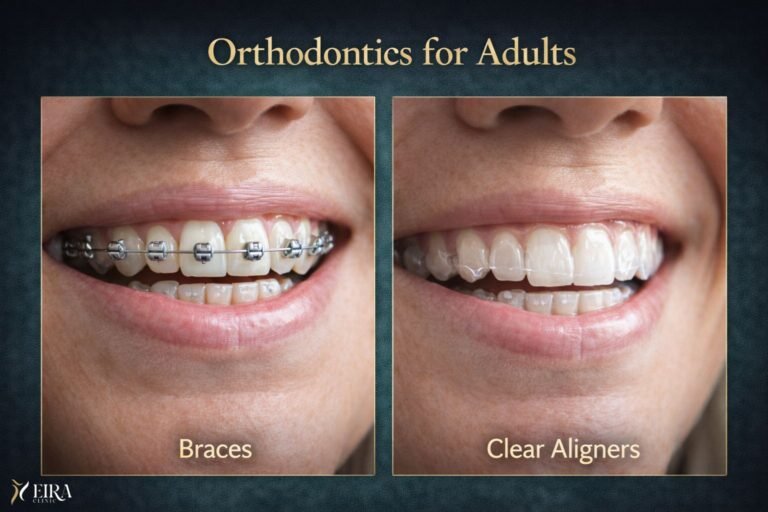
In these cases, crowns, orthodontics, or other restorative options may be more appropriate.
⸻
Minimal-Preparation vs No-Prep Veneers
Minimal-Preparation Veneers
- Require slight enamel shaping
- Provide better fit and durability
- Most commonly recommended
No-Prep Veneers
- Suitable only for very specific cases
- Risk of over-contouring if misused
- Not ideal for most patients
Conservative preparation protects tooth health and improves long-term outcomes.
⸻
Veneers vs Crowns: Knowing the Difference
Veneers
- Cover the front surface
- Preserve more natural tooth structure
- Used mainly for aesthetics
Crowns
- Cover the entire tooth
- Used for structural reinforcement
- Chosen when teeth are weakened
Choosing veneers when crowns are needed — or vice versa — leads to poor outcomes.
⸻
The Role of Digital Smile Design in Veneers
Veneers should never be placed without a clear design plan.
Digital Smile Design allows:
- Facial and smile analysis
- Preview of final results
- Proportion control
- Patient approval before treatment
Design-first planning prevents over-preparation and aesthetic dissatisfaction.
⸻
Longevity and Care of Veneers
With proper care, veneers can last many years.
Key factors include:
- Excellent oral hygiene
- Regular professional check-ups
- Avoiding biting hard objects
- Night guards if grinding is present
Longevity depends more on planning and habits than on materials alone.
⸻
Common Veneer Myths
“Veneers ruin your natural teeth.”
❌ False. Conservative veneers preserve tooth structure when planned correctly.
“Veneers look fake.”
❌ Poor design looks fake. Proper planning looks natural.
“Veneers are only for celebrities.”
❌ Veneers are a medical aesthetic solution — not a trend.
⸻
Frequently Asked Questions (FAQ)
Are veneers permanent?
They are long-term restorations but may need replacement over time.
Do veneers require tooth shaving?
Minimal preparation is usually required for optimal results.
Can veneers stain?
Porcelain veneers are highly stain-resistant.
⸻
Final Thoughts
Dental veneers are powerful —
but only when used ethically, conservatively, and with proper design.
The best veneers are not noticed —
they are simply perceived as beautiful natural teeth.