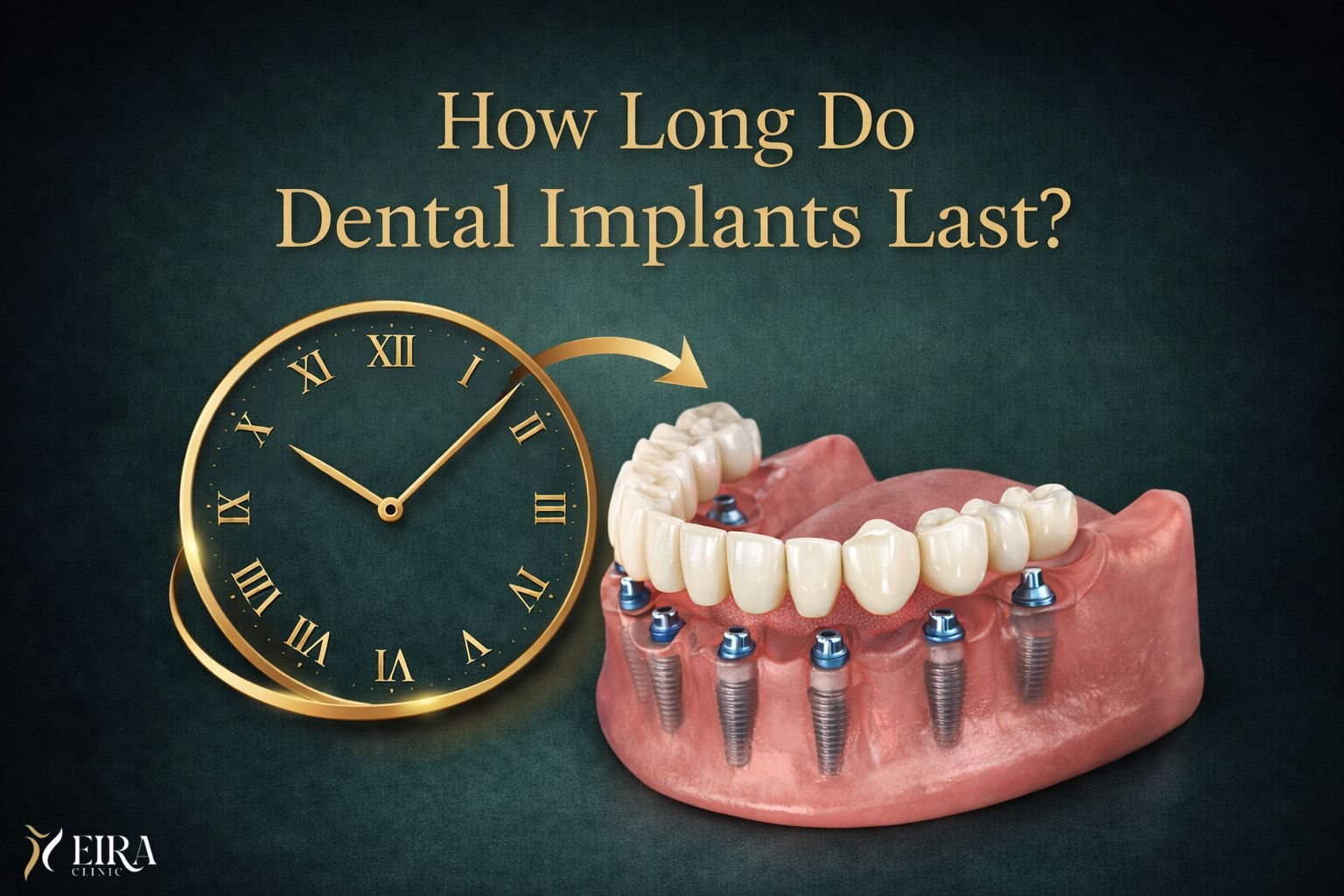
Science, Daily Habits, and Long-Term Maintenance
One of the most common and important questions patients ask is:
“How long will dental implants last?”
The honest answer is not a single number —
because implant longevity depends on science, planning, patient habits, and long-term care.
When these elements work together, dental implants are designed to last decades, often a lifetime.
⸻
What Dental Implants Are Designed For
Dental implants are not temporary solutions.
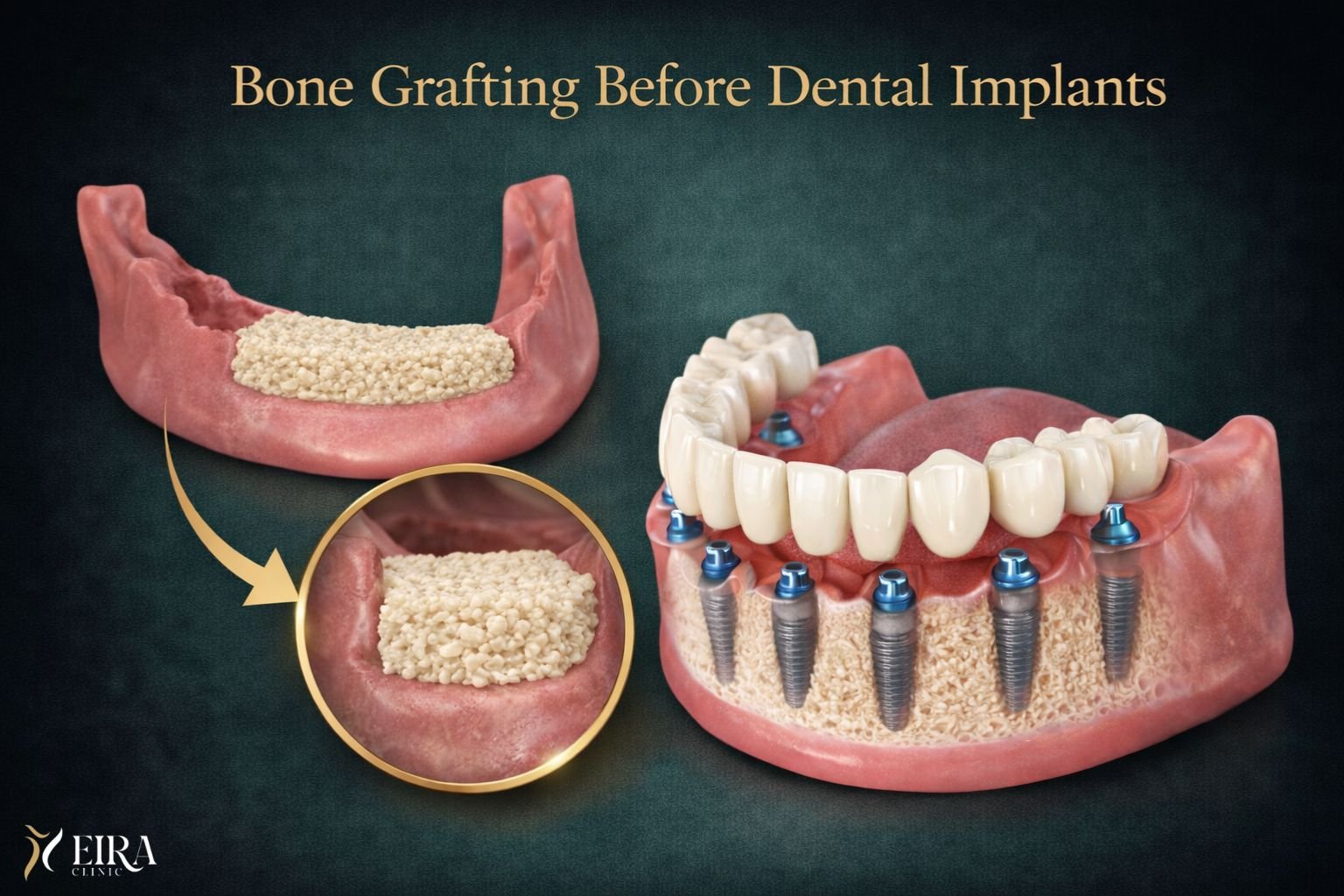
They are engineered to function as artificial tooth roots, capable of withstanding daily chewing forces for many years.
Modern implants are made from:
• Medical-grade titanium or titanium alloys
• Materials proven to integrate with bone
• Surfaces designed to enhance bone attachment
From a material standpoint, implants are extremely durable.
⸻
Implant vs Crown: Understanding the Difference
It’s important to distinguish between:
• The implant (inside the bone)
• The crown or bridge (visible tooth)
The Implant
• Designed for long-term integration
• Rarely needs replacement if healthy
The Crown / Prosthetic
• Exposed to chewing forces
• May need replacement after many years due to wear
Most long-term maintenance involves the prosthetic, not the implant itself.
⸻
Factors That Determine How Long Implants Last
1️⃣ Quality of Initial Planning
Proper planning includes:
• 3D CBCT imaging
• Correct implant positioning
• Prosthetic-driven design
• Bite force analysis
Implants placed without planning may fail early —
well-planned implants last significantly longer.
⸻
2️⃣ Bone Health and Integration
Strong osseointegration is critical.
Factors affecting bone integration:
• Bone quality
• Healing conditions
• Smoking
• Systemic health
Healthy bone = long-term stability.
⸻
3️⃣ Oral Hygiene and Daily Care
Implants require daily care similar to natural teeth:
• Proper brushing
• Interdental cleaning
• Regular professional check-ups
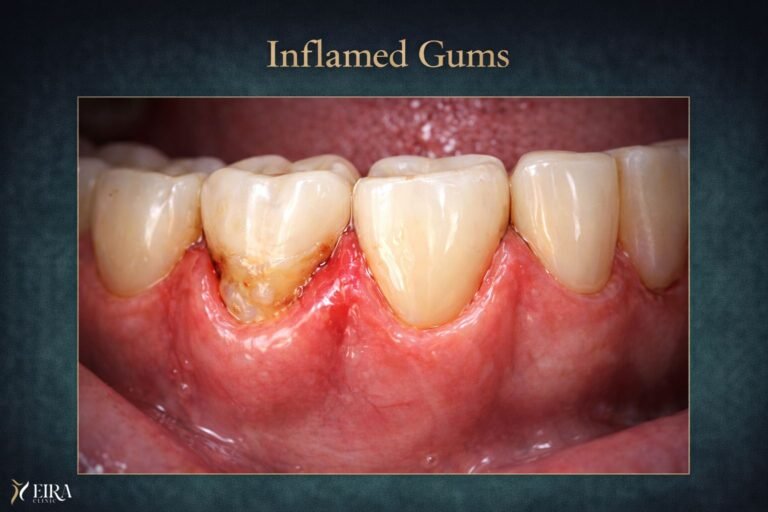
Plaque accumulation around implants can lead to peri-implant disease, threatening longevity.
⸻
4️⃣ Lifestyle Habits
Certain habits reduce implant lifespan:
• Smoking
• Poor oral hygiene
• Untreated teeth grinding (bruxism)
• Skipping follow-up visits
Healthy habits significantly extend implant life.
⸻
5️⃣ Professional Maintenance and Follow-Up
Long-term success depends on:
• Regular professional cleaning
• Bite checks
• Early detection of issues
• Prosthetic adjustments when needed
Implants do not “fail suddenly” — problems usually develop slowly and can be prevented.
⸻
How Long Do Implants Really Last?
Based on long-term clinical data:
• Properly placed implants have success rates above 90–95%
• Many implants function successfully for 20–30 years or more
• Some patients keep the same implants for life
Failures are more often related to planning or maintenance, not implant quality.
⸻
Can Implants Fail Over Time?
Yes — but failure is not common when care is adequate.
Common causes of late implant failure include:
• Peri-implantitis (implant gum disease)
• Overloading due to bite issues
• Poor hygiene
• Smoking
Early intervention usually prevents implant loss.
⸻
How Patients Can Maximize Implant Longevity
Patients play a critical role in success.
Best practices include:
• Maintaining excellent oral hygiene
• Attending regular follow-ups
• Using night guards if grinding is present
• Following professional advice long-term
Implants are a partnership between medicine and patient responsibility.
⸻
Frequently Asked Questions (FAQ)
Do dental implants last longer than bridges or dentures?
Yes. Implants are designed for significantly longer use.
Will I need to replace implants in the future?
In most cases, no. The prosthetic may need renewal, but the implant remains.
Can implants fail after many years?
Yes, but risk is low with proper care and follow-up.
⸻
Final Thoughts
Dental implants are not just durable —
they are designed for long-term biological and mechanical stability.
When placed correctly and maintained responsibly, they offer one of the most reliable solutions in modern medicine.